7 Fictional Characters That You’ll Relate to If You’re An ISTJ

What fictional characters do you relate to as an ISTJ?

Just as we can describe real people using the Myers-Briggs® typology system, we can also use the system to type well-written fictional characters. Some of fiction’s most iconic and intriguing characters are ISTJs, and today we’re going to talk about seven of them that I think real-life ISTJs will find relatable.

Another great thing about looking at character personality types is that it helps us to better understand people who have different types than we do. Fictional ISTJs can serve as examples for what real-life ISTJs might be like, and also show how much variation can exist between individuals with the same type.

Bathsheba Everdene

Thinking-type heroines are a pretty rare thing in fiction, especially in older stories. But the heroine of Thomas Hardy’s Far From the Madding Crowd (1874) is one of the rare examples. Bathsheba Everdene didn’t really capture my attention when I first read the book, but in hindsight she’s one of the more unique female characters in classic British fiction. I also liked her in the 2015 film version.
Read more

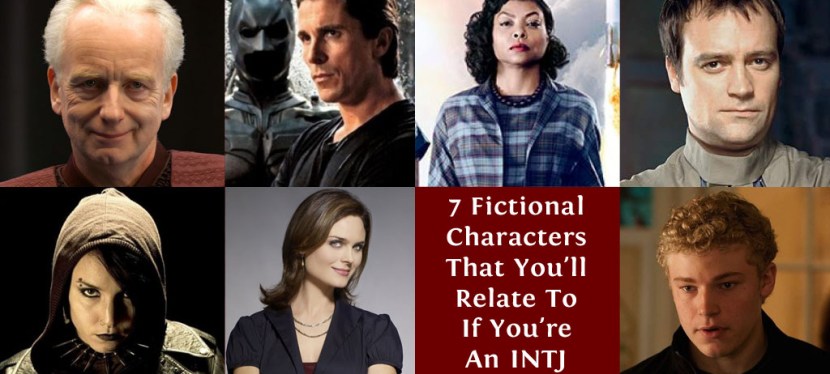
7 Fictional Characters That You’ll Relate to If You’re An INTJ

What fictional characters do you relate to as an INTJ?

Just as we can describe real people using the Myers-Briggs® typology system, we can also use the system to type well-written fictional characters. Some of fiction’s most iconic characters are INTJs, and today we’re going to talk about seven of them that I think real-life INTJs will find very relatable.

One of the other great things about looking at character personality types is that it helps us to better understand people who have different types than we do. Fictional INTJs can serve as examples for what real-life INTJs might be like, and also show how much variation can exist between individuals with the same type.

Bruce Wayne

Batman’s personality type is hotly debated, but the sheer number of INTJs who think he’s one of them merits Bruce Wayne’s inclusion on this list. Plus, the many iterations of his character do fit INTJ pretty well and inconsistencies could be explained just by the number of writers, actors, and other creatives involved in Batman’s portrayal throughout the years.

INTJs relate to Bruce Wayne/Batman’s rock-solid principles and his self-confidence when he knows he’s right. They also relate to the fact that he trusts very few people, but the ones he does trust are extremely important to him. Read more

7 Fictional Characters That You’ll Relate to If You’re An ENTP

What fictional characters do you relate to as an ENTP?

Just as we can describe real people using the Myers-Briggs® typology system, we can also use the system to type well-written fictional characters. Some of fiction’s most interesting and iconic characters are ENTPs, and today we’re going to talk about seven of them that I think real-life ENTPs will find very relatable.

One of the other great things about looking at character personality types is that it can help us to better understand people who have different types than we do. Fictional ENTPs can serve as examples for what real-life ENTPs can be like, and also show how much variation there can be between individuals with the same type. Read more

7 Fictional Characters That You’ll Relate to If You’re An ISFJ

What fictional characters do you relate to as an ISFJ?

Just as we can describe real people using the Myers-Briggs® typology system, we can also use the system to type well-written fictional characters. Some of fiction’s most iconic characters are ISFJs, and today we’re going to talk about seven of them that I think real-life ISFJs will find very relatable.

One of the other great things about looking at character personality types is that it can help those us to better understand people who have different types than we do. Fictional ISFJs can serve as examples for what real-life ISFJs can be like, and also show how much variation there can be between individuals with the same type. Read more

10 Stories You’ll Relate To If You’re An INFJ

What stories do you relate to as an INFJ? Not just a character in the story that you identify with, but also themes and plot points that speak to something inside you.

That’s what this blog post is about. It’s not necessarily a list of INFJs’ favorite books and movies (though there is some overlap). It’s not even about INFJ fictional characters, though they do appear in several of these stories. This list is about stories that INFJs can read or watch and see something of their dreams, desires, worldview, and personality. We love to find ourselves inside stories, and the 10 on this list are among the stories that INFJs find most relatable.

“We are all stories in the end, just make it a good one eh?”

― The Doctor (Matt Smith)

1. Amélie

Even though it’s always at the top of INFJ movie lists, I’d never seen Amélie (2001) until I watched it to write this post. I thoroughly enjoyed it, and I can’t think of any film character who’s more relatable for me as an INFJ than Amélie is in this film.

What INFJ hasn’t experienced random strangers pouring out their life’s stories? And how many of us have got so caught-up in our imaginations that we sit crying over our future on the couch? Or imagine that the person running late was kidnapped by bank robbers and through a weird series of events ended up living as a hermit in Afghanistan? Read more

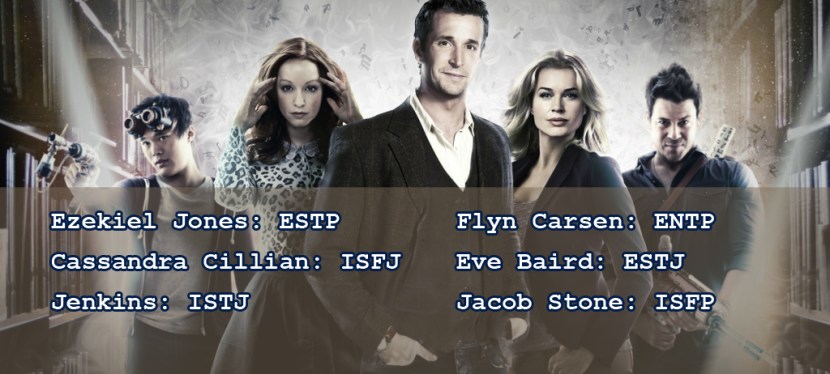
Ficitonal MBTI – The Librarians

The Librarians is one of my favorite TV shows. What could be better than a team of bookworms saving the world from runaway magic? Sure it’s campy and can’t be taken too seriously, but isn’t that part of the appeal?

Typing fictional characters is one of my favorite things to do in blog posts. I’d started writing this one for last week, but when I realized how many of the Librarians characters are Sensing types I thought it’d be a great follow-up to my “Myths About Sensing Types” post. One of the more pervasive myths about Sensors is that they’re neither intelligent nor imaginative. Since all the main characters in this show except Flynn are Sensors, The Librarians provides a perfect example to the contrary.

Please note: I type using cognitive functions, which are the basis of Myers-Briggs theory. If you’re not familiar with this concept or want a refresher, check out this articles: The Simplest Guide To Myers-Briggs Functions Ever

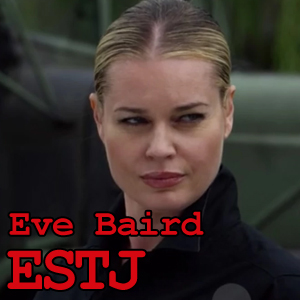
Eve Baird: ESTJ

Ficitonal MBTI – The Librarians | marissabaker.wordpress.com

Eve is the easiest character to type, partly because she’s such a stereotypical example of the type nicknamed “Supervisor” or “Guardian.” ESTJs are known for their blunt demeanor, no-nonsense attitudes, and ability to keep things moving forward. They also care about keeping the world running as it should be, a trait Eve devotes to keeping the Library safe and magical artifacts out of the wrong hands.

ESTJs lead with a judging function called Extroverted Thinking/Effectiveness. That means Eve’s preferred mental process involves measuring and managing impersonal criteria when making decisions. There are examples of this in literally every episode. Read more