The God of Logic

This study all began with perusing the “lambda” section in a Greek dictionary. I came across the word logikos (G3050), which means “pertaining to reason and therefore reasonable.” You’ve probably already guessed that it’s where we got our English word “logic.” This is the word used in Romans 12:1 for “reasonable service.”

I beseech you therefore, brethren, by the mercies of God, that you present your bodies a living sacrifice, holy, acceptable to God, which is your reasonable service. And do not be conformed to this world, but be transformed by the renewing of your mind, that you may prove what is that good and acceptable and perfect will of God. (Rom. 12:1-2)
The God of Logic | marissabaker.wordpress.com
image credit: nasa.gov “Stellar Nursery in the Rosette Nebula”

I tend to connect my faith with a feeling more than an intellectual idea. I know “intellectually” that God exists and that the Bible makes sense, but for me personally the feeling of Him being real and present and in a relationship with me seems more important. This has frustrated some of the more rational, logical people I’ve talked to. One atheist who had been raised Christian couldn’t understand why things that seem contradictory in scripture didn’t bother me even though I couldn’t explain all of them. Another person still in the church said that my “spirituality” is almost intimidating because I talk about my feelings for God so much, and that kind of faith seems alien to her. Other people attracted by reason and logic have walked away from their faith when confronted with scientific arguments for evolution or a “big bang” explanation of how the universe came into being.

One of the things I’ve run across in my studies of type psychology is that “Feeling” types are more attracted to spirituality and religion than “Thinking” types are (in this context “Feeling” and “Thinking” refer to a preference for dealing with people or data; it’s not a measure of intelligence). That “feelers” are attracted to a place that encourages group interaction and harmony, but I worry that we may have scared off some of the “thinkers” with our talk of a touchy-feeling God who just wants to love people. It is true that God wants a relationship with everyone, but it’s not true that everyone needs to relate to Him the exact same way. He means to be accessible to all the people He created.

Order and Logic

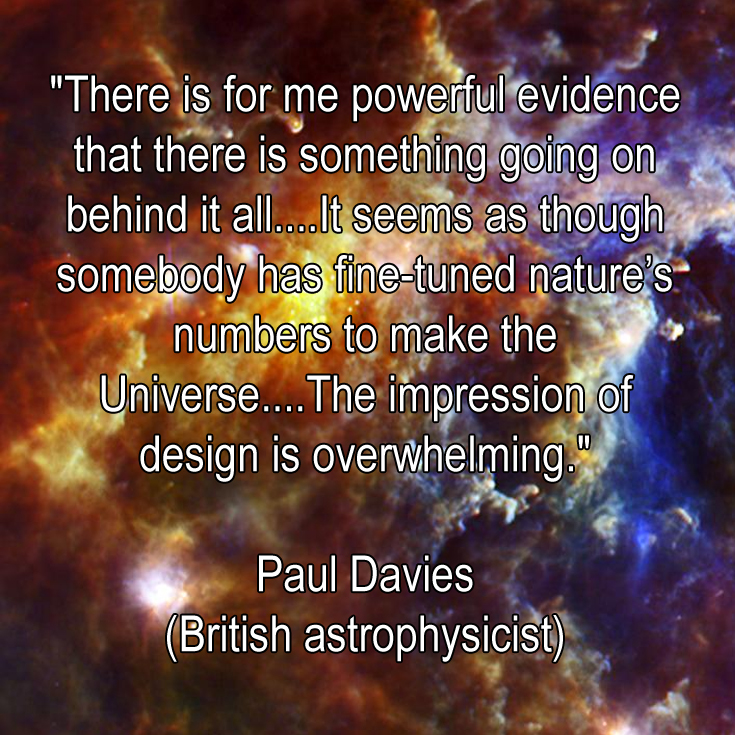
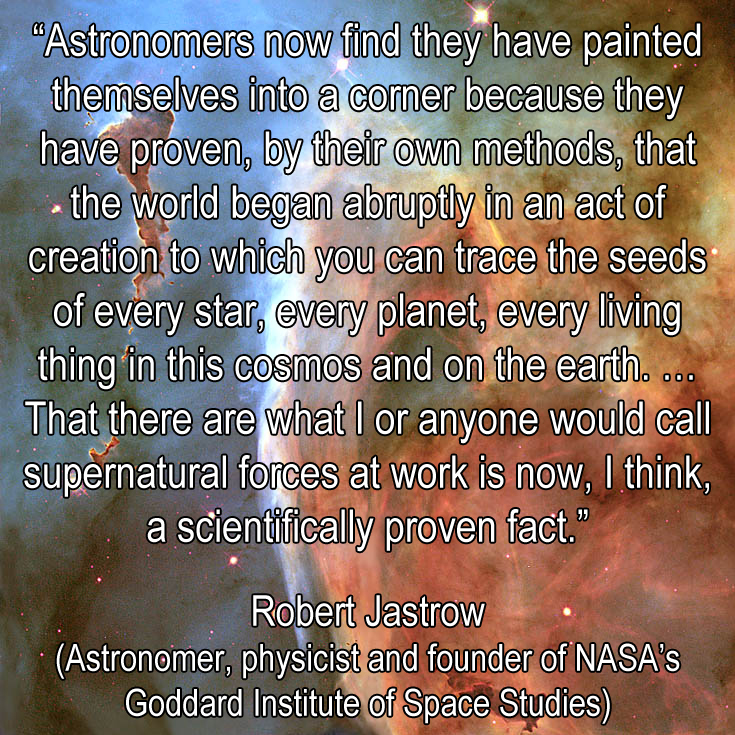
There aren’t just one or two verses that simply state “God is ordered and logical.” Rather, the entire Bible and the whole of creation is a testament to the way His mind works. We can read Genesis 1 and see the orderly step-by-step way He created the world, then look at creation and see His master-craftsman hand at work in every aspect of the universe’s design. Scientists have been doing this for years, and many come to the conclusion that God is the only explanation for how the universe is so perfectly put together.

“The more I study science, the more I believe in God.” –Albert Einstein

“There can never be any real opposition between religion and science; for the one is the complement of the other. Every serious and reflective person realizes, I think, that the religious element in his nature must be recognized and cultivated if all the powers of the human soul are to act together in perfect balance and harmony. And indeed it was not by accident that the greatest thinkers of all ages were deeply religious souls.” –Max Planck

“When confronted with the order and beauty of the universe and the strange coincidences of nature, it’s very tempting to take the leap of faith from science into religion. I am sure many physicists want to. I only wish they would admit it.” –Tony Rothman
The God of Logic | marissabaker.wordpress.com
image credit: nasa.gov “The Carina Nebula”

These quotes were taken from two articles: Quotes from Scientists Regarding Design of the Universe  and Quotes about God to consider…if you think science leads to atheism (please see these sites for full citations and more quotes).

There are a couple verses in 1 Corinthians that speak to the orderly, logical attributes of God. Paul was discussing who should speak and how meetings should be conducted in the church, and makes these statements:

God is not the author of confusion but of peace, as in all the churches of the saints. … Let all things be done decently and in order. (1 Cor. 14:33, 40)

God does not author confusion — He wants things to progress in a decent, orderly fashion. Even mildly logical, perfectionistic, or OCD people can identify with this attribute of God.

The Word of Intelligence

In the beginning was the Word, and the Word was with God, and the Word was God. He was in the beginning with God. All things were made through Him, and without Him nothing was made that was made. … And the Word became flesh and dwelt among us (John 1:1-3, 14)

In these very familiar verses, the Greek word translated “Word” is logos (G3056). It is the root word for logikos, which we’re already talked about. It means “to speak,” but it is distinct from other words that specifically refer to sound or noise (lalia, G2981) or to speaking without necessarily making sense (laleo, G2980). Logos means to express intelligence.

Logos, when it refers to discourse, is regarded as the orderly linking and knitting together in connected arrangement of words of the inward thoughts and feelings of the mind. … In the first chapter of John, Jesus Christ in His preincarnate state is called ho Logos, the Word, meaning first immaterial intelligence and then the expression of that intelligence in speech that humans could understand. (Zodhiates)

One of the most well-known names of Jesus carries with it a testament to God’s reason, intellect, and logic. It is a key role of Jesus Christ to express intelligence — to communicate the thoughts of God in a way that people can understand.
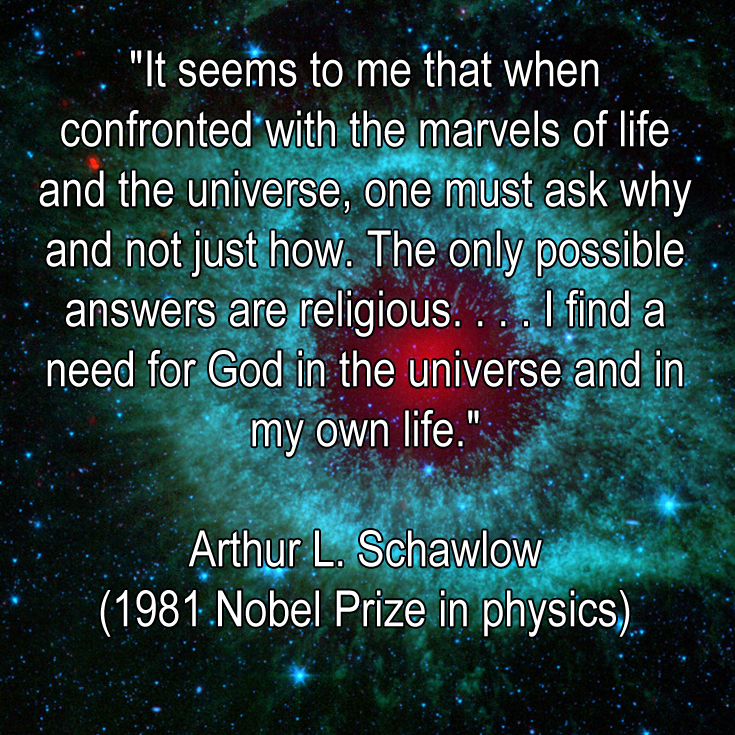
The God of Logic | marissabaker.wordpress.com
image credit: nasa.gov “Dust and the Helix Nebula”

Sometimes when people come across something in relation to God that “doesn’t make sense,” they assume that there’s something wrong with the Bible. But that’s just another way of saying that we think our minds work better than the Mind of the One who designed us. It’s really rather absurd to think there’s something wrong with God because we don’t understand Him perfectly. But it’s far more unsettling for some of us to admit that the problem might be on our side.

In John 8:43, Christ was debating with some of the Jews who were following Him. They were offended and confused by some of His words, and this is what He said to them:

Why do you not understand My speech? Because you are not able to listen to My word. (John 8:43)

The word “speech” is translated from lalia — to make sounds — and “word” is from logos. Because they couldn’t grasp Christ’s intelligence speech, it was as if He was speaking nonsense (I’m indebted to Zodhiates’ Key-Word study Bible for analyzing this verse).

“For My thoughts are not your thoughts, nor are your ways My ways,” says the Lord. “For as the heavens are higher than the earth, so are My ways higher than your ways, and My thoughts than your thoughts.” (Is. 55:8-9)

Rather than assume there’s something lacking in God when we can’t understand Him and then reacting with hostility or disgust (by the end of John 8 the Jews were trying to stone Jesus), we can ask God for help in understanding. Let’s follow James’ advice:

If any of you lacks wisdom, let him ask of God, who gives to all liberally and without reproach, and it will be given to him. (James 1:5)

The Issue of Feelings

C.S. Lewis is the perfect person to bring in on this discussion. He was a very logical, rational Christian (probably an INTJ, for those of you who like Myers-Briggs). I like this description of him from The New York Times Book Reviw: “C.S. Lewis is the ideal persuader of the half-convinced, for the good man who would like to be a Christian but finds his intellect getting in the way.”
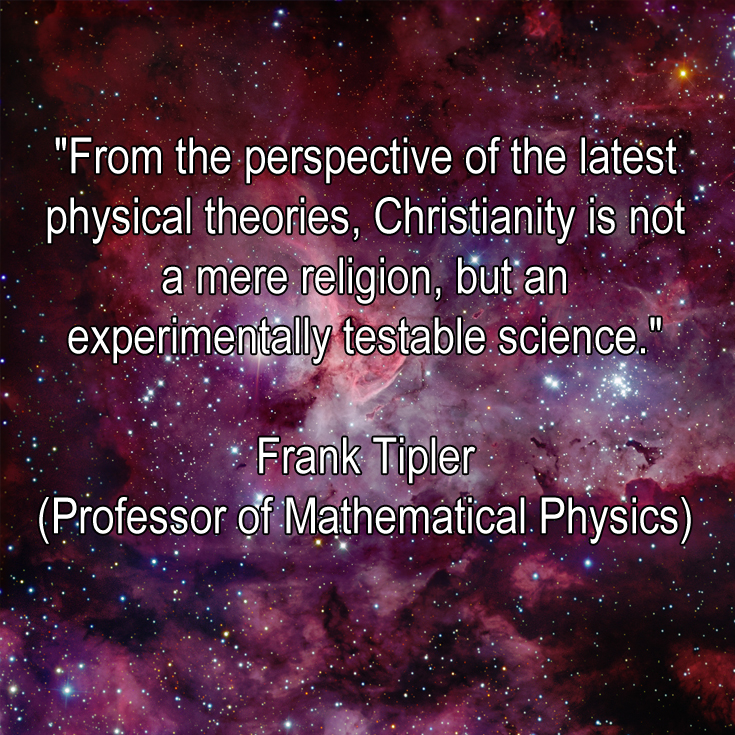
The God of Logic | marissabaker.wordpress.com
image credit: nasa.gov “The Great Carina Nebula”

Now, the thing about Lewis is that for him, getting your intellect out of the way certainly doesn’t mean abandoning reason and just “trust your feelings” or “have faith.” On the contrary, Lewis says that our faith absolutely must have a rational basis.

Now Faith, in the sense in which I am here using the word, is the art of holding on to things your reason has once accepted, in spite of your changing moods. For moods will change, whatever view your reason takes. I know that by experience. Now that I am a Christian I do have moods in which the whole thing looks very improbable: but when I was an atheist I had moods in which Christianity looked terribly probable. This rebellion of your moods against your real self is going to come anyway. That is why Faith is such a necessary virtue: unless you teach your moods “where they get off,” you can never be either a sound Christian or even a sound atheist, but just a creature dithering to and fro, with its beliefs really dependent on the weather and the state of its digestion. (Mere Christianity; III, 11)

That’s why it’s dangerous to try and base your faith on emotions alone. Feelings for God are all well and good, but feelings can change — we might “fall out of love” or fall into a season of doubt. But we can’t afford to give up on God when we don’t feel close to Him anymore. We have to keep choosing to seek Him because we have decided He is the only way to go.

Lewis went on to say in this chapter of Mere Christianity that we need to “train the habit of faith” daily by reminding ourselves of what we believe. He says, “Neither this belief no any other will automatically remain alive in the mind. It must be fed.” And if it’s not, we’ll be one of those people who just drift away from Christianity without even coming up with a reasonable argument for God not existing.

A Logical Sacrifice

The Bible tells us to “Pray without ceasing” and “test all things; hold fast what is good” (1 Thes. 5:17, 20). It’s a succinct instruction from God to do precisely what Lewis was talking about. God wants us to constantly be seeking, questioning, learning, and asking Him to help us understand His words.

This is another reason to stay close to the Source of the Living Water that we talked about in last week’s post. We need Jesus Christ, through the Holy Spirit, involved in our lives. He is the Logos, and He is well able to shore-up our faith with reason and wisdom and good-sense.

But the Helper, the Holy Spirit, which the Father will send in My name, that one will teach you all things, and bring to your remembrance all things that I said to you. (John 14:26)

And then, having this foundation of knowing God exists, that He is more intelligent than we are , and that He sacrificed Himself for us, we can go back to Romans 12:1 and understand why it is logical for us to present ourselves in service to God. He created us, and “in Him we live and move and have our being” (Acts 17:28). He died to buy us back from sin, and we belong to Him not only as His creation, but as His to redeem (1 Cor. 6:20).
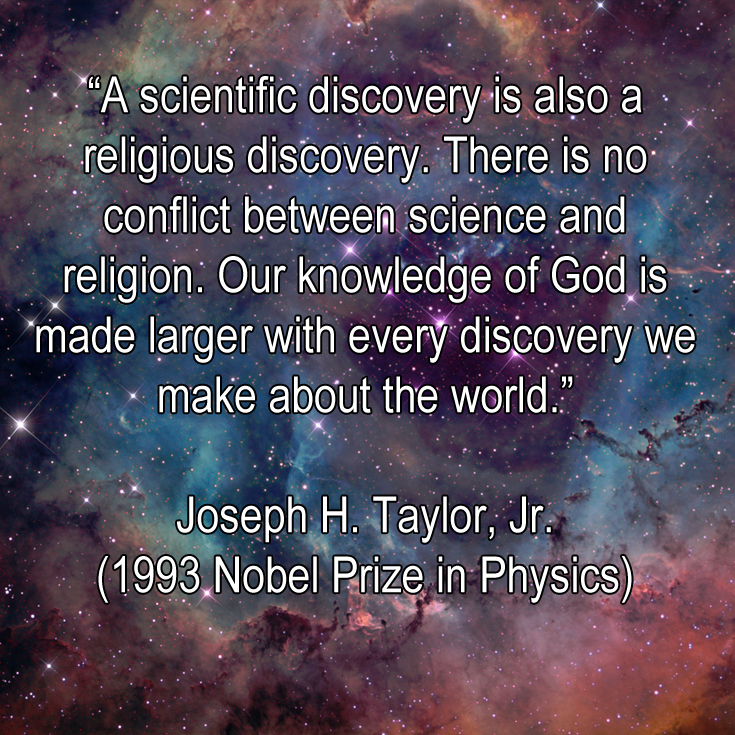
The God of Logic | marissabaker.wordpress.com
image credit: nasa.gov “The Rosette Nebula”

Since I just quoted Acts 17, let’s take a quick look at the apostle Paul. He was probably the most highly educated of the apostles, since he was trained as a Pharisee (Phil. 3:5). It took direct divine intervention to show Paul that Jesus is the Christ (Acts 9:1-19), but once he was convinced of this fact he turned all the energy and emotion he’d been using to persecute the church into preaching the gospel. And he did so in a manner both firmly grounded in reason and full of zeal. He preached to groups of people from every walk of life, including presenting a reasonable argument to the Athenians and quoting their own poets and thinkers (Acts 17:16-34). He wrote most of the New Testament, epistles full of deep inspired reasoning that even Peter described as “things hard to understand, which untaught and unstable people twist to their own destruction, as they do also the rest of the Scriptures” (2 Pet. 3:15-16). Paul wrote the letter which tells us it is our “reasonable service” to devote every part of ourselves to following God, which is exactly what he did.

We are all made in God’s image, but no one person or type of person is “enough” to fully reflect all of who and what God is. I’ve seen this talked about in discussions of gender — man and women embody different attributes of God. Similarly, 1 Corinthians 12 describes different spiritual gifts, and different types of people that are all necessary parts of the church. If everyone was the same, the church would be lacking essential attributes.

 But now God has set the members, each one of them, in the body just as He pleased. And if they were all one member, where would the body be? But now indeed there are many members, yet one body. (1 Cor. 12:18-19)

The same, I think, can be said of personality types. Aspects of God are reflected in introverts and in extroverts, in people-oriented feeling types and in fact-oriented thinking types. And God Himself is accessible to everyone — He wants a relationship with the logical, questioning mind just as much as He wants a relationship with the more stereotypically “spiritual,” emotional people.

To learn more about how different personality types relate to faith, click here to read a series of posts on Intuitive-types and Christianity and contribute to the ongoing conversation.
How Should We Think of Sin?

I wonder why it is that people tend to go to extremes in so many things. It’s almost impossible to be neutral or moderate on anything from politics to how you feel about a TV show without someone telling you that you have to have a decided opinion one way or another. This spills over into how we approach morality as well — we either go along with the culture and adopt an “anything goes” mentality, or we dig our heels in and don’t approve of anything.

Now, most Christians I know are actually a lot more balanced than either of these views, but there is a very real danger of going to either extreme. We can become too tolerant about something like the fact that cohabiting couples are the norm in pop culture, and just accept this trend in society  even though we know what God says about sexual immorality. People tend to go to extremes over the issue of homosexuality as well, either supporting it wholeheartedly or placing it high on their “most horrible disgusting sin ever” scale.

But is either view how God wants us to respond to sin? This is an enormous topic, and I might very well be biting off more than I can chew, as the saying goes. But it’s something I felt like I should study and share, so here it goes.

Sin in the Church

Let’s start with a very foundational principle of scripture: “all have sinned and fall short of the glory of God” (Rom. 3:23). There’s no “my sin is better than your sin,” because all of us have committed sins that could only be removed by the sacrifice of Jesus Christ. It can’t really get “worse” on the sinning scale than requiring God Himself to die to remove your death penalty.

But, again with our tendency to go to extremes, we might take this fact and become too accepting of sin in our lives and in the lives of others. After all, we’re no better or worse than anyone else, so let’s just all live and let live, right? That’s what the Corinthians did, and Paul wasn’t too happy about it.

It is actually reported that there is sexual immorality among you, and such sexual immorality as is not even named among the Gentiles—that a man has his father’s wife! And you are puffed up, and have not rather mourned, that he who has done this deed might be taken away from among you. … Your glorying is not good. Do you not know that a little leaven leavens the whole lump? (1 Cor. 5:1-2, 6)

They thought tolerance was a good thing. Paul said to get this sinful man out of the church.

I wrote to you in my epistle not to keep company with sexually immoral people. Yet I certainly did not mean with the sexually immoral people of this world, or with the covetous, or extortioners, or idolaters, since then you would need to go out of the world. But now I have written to you not to keep company with anyone named a brother, who is sexually immoral, or covetous, or an idolater, or a reviler, or a drunkard, or an extortioner—not even to eat with such a person. For what have I to do with judging those also who are outside? Do you not judge those who are inside? But those who are outside God judges. Therefore “put away from yourselves the evil person.” (1 Cor. 5:9-13)

The issue here is that we cannot approve of someone who knowingly practices sin while professing to follow Christ. The people outside the church who commit sin are still sinning, but it is not our place to make judgements about them. The people inside the church should know better, though, and so should we.

Woe to those who call evil good, and good evil; who put darkness for light, and light for darkness; who put bitter for sweet, and sweet for bitter! (Is. 5:20)

Christians are not immune to sin, but there is a difference between a Christian who sins, recognizes it, repents, and stops sinning and a Christian who knowingly practices a sinful lifestyle. The latter reflects badly on the One we profess to follow, Jesus Christ, Who said, “If you love Me, keep My commandments” (John 14:15). Paul tells us this type of person who practices sin should be put out of the church until they repent and stop sinning (which did happen in this case, as we can read in 2 Cor. 2:5-11).

A Chance to Be Good

Paul instructed us to exercise good judgement within the church, but not to judge those who are outside it. So what should our attitude be towards those who commit sin while not following Christ?

In answering any question of this sort, the first thing we should look at is the example of Jesus Christ. He was God in the flesh, and the way He responded to a situation shows us how God wants us to respond in similar situations.

And the Pharisees and scribes complained, saying, “This Man receives sinners and eats with them.”

So He spoke this parable to them, saying: “What man of you, having a hundred sheep, if he loses one of them, does not leave the ninety-nine in the wilderness, and go after the one which is lost until he finds it? And when he has found it, he lays it on his shoulders, rejoicing. And when he comes home, he calls together his friends and neighbors, saying to them, ‘Rejoice with me, for I have found my sheep which was lost!’ I say to you that likewise there will be more joy in heaven over one sinner who repents than over ninety-nine just persons who need no repentance.” (Luke 15:2-7)

How Should We Think of Sin? | marissabaker.wordpress.comThe scribes and Pharisees had a very “holier-than-thou” attitude toward sinners. They despised Jesus for eating with people who were not considered righteous and rebuked Him for letting them touch Him (Luke 7:37-39). We get the sense that if a Pharisee encountered someone they thought of as a sinner, they would have either had nothing to do with them or been harsh in their condemnation of how horribly sinful this person was. But that’s not how Christ handled things.

When “the scribes and Pharisees brought to Him a woman caught in adultery,” Christ’s response was to write on the ground and then say, “He who is without sin among you, let him throw a stone at her first.” They all left one by one, and when there was no one left to accuse her Jesus said, “Neither do I condemn you; go and sin no more” (John 8:1-11). He did not condone her sin by telling her she could go off and continue committing adultery, but neither did He condemn her as a person.

Now it happened, as Jesus sat at the table in the house, that behold, many tax collectors and sinners came and sat down with Him and His disciples. And when the Pharisees saw it, they said to His disciples, “Why does your Teacher eat with tax collectors and sinners?”

When Jesus heard that, He said to them, “Those who are well have no need of a physician, but those who are sick. But go and learn what this means: ‘I desire mercy and not sacrifice.’ For I did not come to call the righteous, but sinners, to repentance.” (Matt. 9:10-13)

We’re not supposed to be okay with sin or say that it is good, but the key to what our response should be is mercy and love. That is how Christ called people to repentance — not by telling them they were evil, but by offering them a chance to be good.

Making Judgements

The goal of Christ’s interactions with sinful people was that all should come to repentance. The goal of our interactions with sinful people (so, really everyone we come in contact with) should be to point them to Christ by modeling His attitude of love, mercy, and gentle correction when necessary.

Judge not, that you be not judged. For with what judgment you judge, you will be judged; and with the measure you use, it will be measured back to you. And why do you look at the speck in your brother’s eye, but do not consider the plank in your own eye? (Matt. 7:1-3)

We saw how harshly the Pharisees judged other people, and we can see how severely they were judged in return by reading Matthew chapter 23. It serves as a warning to us not to judge others from a self-righteous attitude. We do have to make judgements about right and wrong as relates to our own conduct and in situations like Paul was talking about in 1 Corinthians, but we need not be harsh and condemning. In fact, that attitude can be dangerous.

Therefore you are inexcusable, O man, whoever you are who judge, for in whatever you judge another you condemn yourself; for you who judge practice the same things. (Rom. 2:1)

The context of this verse (Rom. 1:18-2:16) discusses some of what we think of as the very worst sins. That might make us think this warning doesn’t apply to us, until we read James.

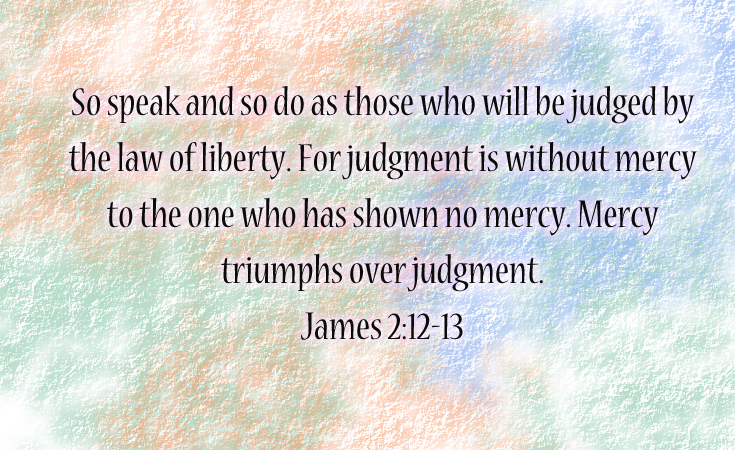
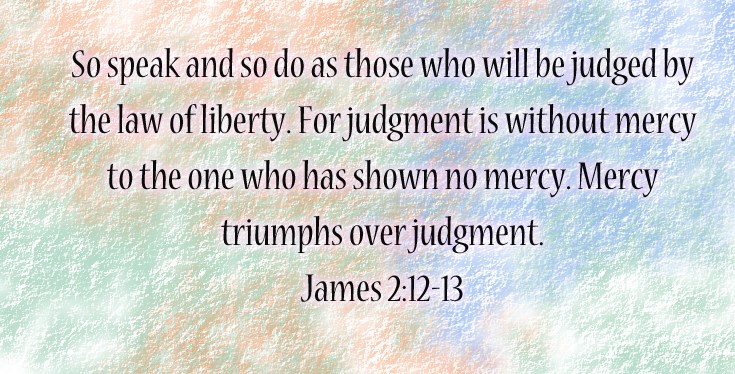
For whoever shall keep the whole law, and yet stumble in one point, he is guilty of all. For He who said, “Do not commit adultery,” also said, “Do not murder.” Now if you do not commit adultery, but you do murder, you have become a transgressor of the law. So speak and so do as those who will be judged by the law of liberty. For judgment is without mercy to the one who has shown no mercy. Mercy triumphs over judgment. (James 2:10-13)

I’ve heard it said that we can’t judge other people for sinning differently than us, and I think that’s true. We all have weaknesses, and we’re not supposed to decide that they are better weaknesses than someone else, even if they’re less visible (like, a tendency to lie can be less visible than a tendency towards promiscuity) or seem like they’re “not hurting anyone.”How Should We Think of Sin? | marissabaker.wordpress.com

We’ve now made a full circle in our discussion, and are back to the topic of “all have sinned.” I said earlier that all sins are equally bad, because all sins require Jesus Christ’s death to pay the penalty on our behalf. I want to add something to that, though, because I’ve never felt satisfied with such a black-and-white view of sin. It’s obvious that there’s a difference between petty theft and murder, for instance. Both are against God’s laws, both are sins, and both can only be washed clean by Christ’s blood. But one is far more damaging to society and other people.

We can see God acknowledging this in the Old Testament laws, where some sins incurred a physical death penalty and some did not. In the New Testament, we see similar distinctions. A thief is told to “steal no longer,” but rather work “with his hands what is good, that he may have something to give him who has need” (Eph. 4:28). In contrast, those who commit sexual transgressions are warned, “he who commits sexual immorality sins against his own body” and defiles the temple of God (1 Cor. 6:18-20). Both are sinful, but one causes more damage than the other.

As we consider the topic of sin inside and outside the church, let’s keep our focus on following Christ’s example of showing mercy while faithfully revealing God’s laws in our words and actions. We must not “approve of those who practice” sin (Rom. 1:32), but we also must not hate other people or follow the scribes and Pharisees’ example of harsh judgement.

Low Self-Esteem vs. Esteeming Self Less

One of the foundational things we have to recognize when coming to Christ is that we’re not worthy. The Bible makes it clear that the human “heart is deceitful above all things, and desperately wicked” (Jer. 17:9). We can’t earn salvation, and we have not done anything to deserve God’s love. This should fill us with humility as we enter a relationship with God, knowing He loves us even through we are nothing without Him.

But I know far too many people who get stuck on the “I am undeserving” part of this truth. Instead of finding our identity in Jesus Christ  and defining ourselves by our relationship with Him (“I’m a Christian”), we can be tempted to find our identity in the fact that we don’t deserve His forgiveness and love (“I’m worthless”). Maybe you’ve been told your whole life that “you’re not good enough,” and you’ve carried that into your relationship with God. Maybe you’re a perfectionist who’s stopped using your attention to detail to get things done right and started letting it rule your life so you feel useless unless you’re constantly giving 110%. Or maybe your self-lies are more like mine — that I’m not brave, strong, or clever enough to be of use to God.

Is this what God wants when He asks for humility? Do His instructions to think less of ourselves than of others mean He wants us to have low self-esteem? What does the Bible say about our value?

Marvelous Love

But God demonstrates His own love toward us, in that while we were still sinners, Christ died for us. (Rom. 5:8)

Low Self-Esteem vs. Esteeming Self Less | marissabaker.wordpress.comEven when we were sinners — working at cross-purposes to God — He loved us enough to die for us. God is love, and there is no greater example of this than the sacrifice of Jesus Christ to transform broken people who had done nothing to deserve His attention into something special.

Greater love has no one than this, than to lay down one’s life for his friends. You are My friends if you do whatever I command you. No longer do I call you servants, for a servant does not know what his master is doing; but I have called you friends, for all things that I heard from My Father I have made known to you. (John 15:13-15)

Look how Jesus describes His followers, as friends so valued He was willing to die for and share His thoughts with them. And those who follow Christ are not only His friends, but His family as well, and “He is not ashamed to call them brethren” (Heb. 2:11). Think of that. The One who knows you best — all your sins, weakness, foibles, and most secret thoughts — is not ashamed to say you are His family.

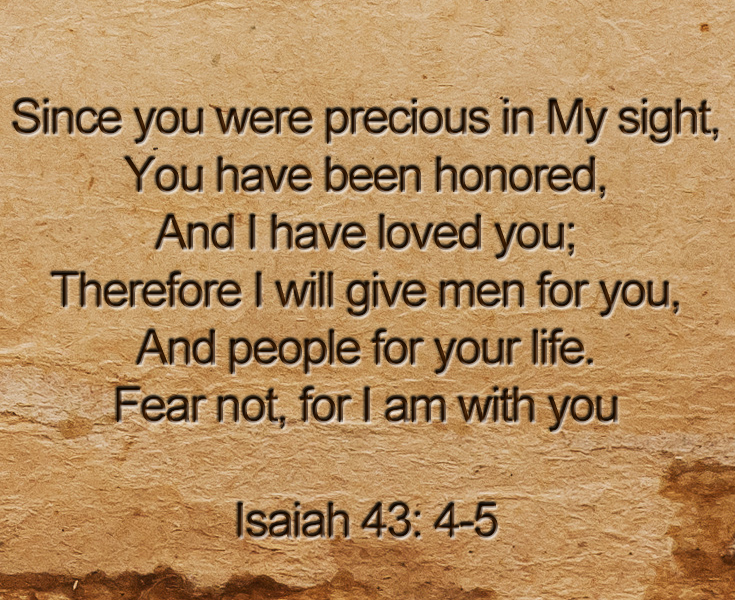
But now, thus says the Lord, who created you, O Jacob, and He who formed you, O Israel: “Fear not, for I have redeemed you; I have called you by your name; you are Mine.  … For I am the Lord your God, the Holy One of Israel, your Savior … since you were precious in My sight, you have been honored, and I have loved you; therefore I will give men for you, and people for your life. (Is. 43:1, 3, 4)

These early verses of Isaiah 43 are some of my favorite scriptures. I read them when I’m feeling lonely or doubtful of my worth in God’s eyes. Isn’t it a lovely reassurance of how highly God values His people? When God looks at you, He doesn’t think, “that person is worthless,” He thinks, “that person belongs to Me, and I love them.”

What We Are

So far, we’ve seen God call us precious, beloved, family, and friends. When we look a bit deeper into how He interacts with the church for today, we see even more evidence of how highly He values us.

Do you not know that you are the temple of God and that the Spirit of God dwells in you? If anyone defiles the temple of God, God will destroy him. For the temple of God is holy, which temple you are. (1 Cor. 3:16-17)

God must value us highly to call us “holy,” dwell inside us, and to destroy those who “defile” us. This part of the verse can be read as a warning to individual parts of the temple that we not become corrupt, and also as a warning to those who would set out to “subvert or corrupt” us as God’s temple. In that sense, it’s similar to God’s Isaiah 43 promise to protect and defend us. God is saying, “They are mine. I prize them highly, and I will fight for them.”

Or do you not know that your body is the temple of the Holy Spirit who is in you, whom you have from God, and you are not your own? For you were bought at a price; therefore glorify God in your body and in your spirit, which are God’s. (1 Cor. 6:19-20)

Jesus Christ thought we were worth paying the price of His life to redeem. In the words of Matthew Henry, “A spouse so dearly bought and paid for could not but be dearly loved. Such a price being given for her, a high value must needs be put upon her accordingly” (commentary on Song 4:8-14). Jesus did not redeem us so we could be worthless, weak, uninteresting, or whatever it is we call ourselves. He redeemed us to adopt as His siblings (Rom. 8:15-17), marry as His bride (2 Cor. 11:2), and give us a share in His glory (John 17:22; 1 John 3:2).

A Proper Attitude

So, what attitude are we supposed to have about ourselves? One thing we absolutely cannot do is allow the knowledge of how much God loves us lead to an idea that we’re something amazing in and of ourselves. God hates pride, arrogance, and vanity. When He says He values us highly, that’s not the reaction He’s looking for in return. Rather, the Lord requires us “to do justly, to love mercy, and to walk humbly with your God” (Mic. 6:8)

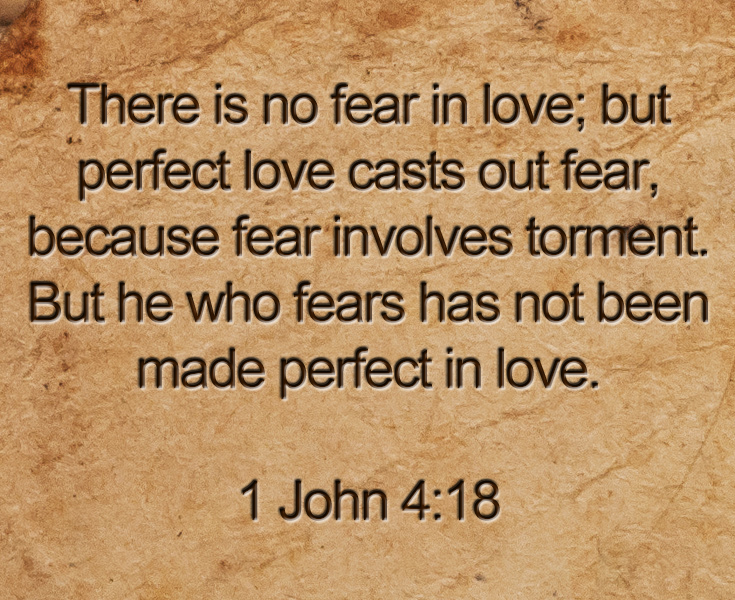
Low Self-Esteem vs. Esteeming Self Less | marissabaker.wordpress.comBut we can’t go to the opposite extreme either. If we tell ourselves we have no value, there’s a danger of becoming paralyzed by fear of doing something wrong and attracting attention to our own worthlessness. But that kind of fear has no place in a person where God’s love dwells (1 John 4:18).

Let nothing be done through selfish ambition or conceit, but in lowliness of mind let each esteem others better than himself. Let each of you look out not only for his own interests, but also for the interests of others. Let this mind be in you which was also in Christ Jesus (Phil. 2:3-5)

This is the key — having the mind of Christ. His was the most valuable human life ever, and yet He chose to use His greatness to serve others, first by giving up the glory He had before the world existed, then in how He lived His life, then by dying for us, and now by living as our High Priest and the Head over all things to the church. His every act on this earth was one of love and service and esteeming the needs of others as more important than His own. That’s the example we should be following.

When we find our identity in Christ and believe we are precious in God’s sight, we can be bold, courageous, and strong in Him (Heb. 4:16; John 16:33; Eph. 6:10). We are also humble, knowing the things that make us valuable come from our relationship with God and not from ourselves. And we esteem our brethren higher than ourselves, because they are also temples of God and we are called to serve and love them as Christ serves and loves us.

Time and Foreknowledge (Free Will, Part 2)

Last week, I started writing about a question one of my friends asked regarding my views on free will. That post was part 1 and it has lots of background info for this post, so if you haven’t read it yet you can check it out here. Another aspect  of the question he asked, which I didn’t have time to get to last week, was “Do you believe God is omniscient, or do you believe there are limits to His knowledge of the future, etc.”

Omniscience basically means “all knowing,” and I suppose given these two options I’m going to have to go with saying that I believe there are some limits to God’s knowledge of the future. That’s the short answer 🙂 Here’s the long one …

God Knowing Us

Prophecy teaches us that God has knowledge of future events — fulfilled prophecy gives us proof that He was correct in the past and we have faith that He will also be correct about the future. God has a plan for where the world is heading, and He certainly has the power to get it there. This is the kind of thing we talked about last week when looking at the examples of Jonah and Abraham.

Continuing with these two examples, I’ve said I believe that Jonah, Abraham, and Sarah had free will in how they responded to God’s work in their lives. But the fact that God didn’t make the decisions for them doesn’t prove that He didn’t know how they would respond.

O Lord, You have searched me and known me. You know my sitting down and my rising up; You understand my thought afar off. You comprehend my path and my lying down, and are acquainted with all my ways. (Ps. 139:1-3)

Many verses speak of God knowing our hearts, but these are mostly present-tense, as far as I can tell. From perfect knowledge of what we are now, I suppose God has a pretty good idea of what we will be and how we will act in the future. I think we still have the potential to surprise Him, through.

I, the Lord, search the heart, I test the mind, even to give every man according to his ways, according to the fruit of his doings. (Jer. 17:10)

If God did know exactly how we were going to live our lives, however, why does He need to search our hearts to determine how to reward us? Probably the best example of this is Abraham’s test. God commanded him to sacrifice his only son, and Abraham was prepared to do so right up to the moment God stopped him. Up until Abraham was at the point where he was about to kill Isaac, it seems that God didn’t know how far Abraham would go to obey Him.

And He said, “Do not lay your hand on the lad, or do anything to him; for now I know that you fear God, since you have not withheld your son, your only son, from Me.” (Gen. 22:12)

God’s Foreknowledge

Some people use Psalm 139:16 to say God knows the day we will die and has all our days mapped out. The King James Version doesn’t give that sense at all, but other translations could. Here’s a few:

Thine eyes did see my substance, yet being unperfect; and in thy book all my members were written, which in continuance were fashioned, when as yet there was none of them. (KJV)

Your eyes saw my substance, being yet unformed. And in Your book they all were written, the days fashioned for me, when as yet there were none of them. (NKJV)

Your eyes saw my unformed body; all the days ordained for me were written in your book before one of them came to be. (NIV)

I really have doubts about this interpretation, though. Going back to the story of Nineveh, God told those people through Jonah that He would destroy their city in 40 days. We know “it is impossible for God to lie” (Heb. 6:18), so I can’t believe He told them this if he already knew He would delay Nineveh’s punishment (Jon. 3:1-10).

A similar case occurs in 2 Kings 20. King Hezekiah falls ill, and the Lord sends Isaiah the prophet to tell him, “Set your house in order, for you shall die, and not live” (2 Kings 20:1). Hezekiah prayed to the Lord …

And it happened, before Isaiah had gone out into the middle court, that the word of the Lord came to him, saying, “Return and tell Hezekiah the leader of My people, ‘Thus says the Lord, the God of David your father: “I have heard your prayer, I have seen your tears; surely I will heal you. On the third day you shall go up to the house of the Lord. And I will add to your days fifteen years. I will deliver you and this city from the hand of the king of Assyria; and I will defend this city for My own sake, and for the sake of My servant David.”’” (2 Kings 20:4-6)

Again, why would God tell Hezekiah that he was going to die if He already knew that He would give Hezekiah 15 years? This story is one of the reasons we have hope when we pray — because we know God hears us and can intervene to answer our prayers. If everything was predestined, what would be the point of praying? For that matter, what would be the point of obeying the commandments or being loving and faithful? As a commenter on last week’s post pointed out, “If there were no free will, then whether we believe in God & Jesus, and whether we love them or not, would be determined by God, not us. And if that were the case, then it would not be true faith and it would not be true love. For faith and love to be real, there must be a choice.”

Some Ideas About Time

From what I read in the Bible, along with a dab of theoretical physics and a heavy dollop of sci-fi, here’s my pet theory: assuming time and space are connected, then “a God who is not limited by space is not limited by time” (I got that from an old Moody science tape).  I hypothesize that God can step outside of time in a way and see how the potential outcomes are changing. He can look at the whole breadth of human history, read every nuance of the present, and predict and direct the course of events. He has a definitive end goal in mind, and He can directly intervene to accomplish that goal, but I think our specific futures are in a state of flux, changing as we make decisions.

Time and Foreknowledge (Free Will, Part 2) | marissabaker.wordpress.comI’m perfectly willing to admit there are flaws and gaps in my theory, and it might even be totally worthless, but it is what makes sense to me. I’d love to hear your thoughts/ideas/theories if you’d like to share them. 🙂 I really don’t think we can fully understand how God relates to time and the future right now — we can just see glimpses and try to make sense of the clues we are given.

“For My thoughts are not your thoughts, nor are your ways My ways,” says the Lord. “For as the heavens are higher than the earth, so are My ways higher than your ways, and My thoughts than your thoughts. (Is. 55:8-9)

In keeping with the fact that God’s thoughts are very different and much higher than ours, He has a unique view of time as well.

But, beloved, do not forget this one thing, that with the Lord one day is as a thousand years, and a thousand years as one day. (2 Pet. 3:8)

For a thousand years in Your sight are like yesterday when it is past, and like a watch in the night. (Ps. 90:4)

This is very confusing for us, trapped in a single moment of linear time. We have imperfect recall of our own past, second-hand knowledge of history and other people’s lives, limited understanding of the present, and dim ideas about the future. Compared to us, God is indeed omniscient, even if there are what we think of as “limits” to His foreknowledge.

The Potter’s Hands (Free Will, Part 1)

A few weeks ago, a friend asked for my thoughts on “free will.” He’d written a blog post about the subject, and someone contacted him to say they didn’t believe in free will. The ongoing discussion has prompted a fascinating Bible study for me, and I think I’ll have to make this a two-part post to fit everything in.

The idea of predestination has a long history in Christianity. My understanding is it basically says God has foreknowledge of all things that will happen and predetermines who will receive salvation and who will not. The idea that God is all knowing would imply He knows things like how and when we will die and whether or not we’ll be in His family. And if He already knows the course of our lives, doesn’t that mean we don’t have free will?

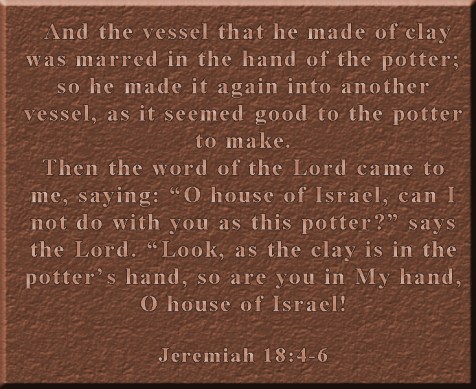
Does not the potter have power over the clay, from the same lump to make one vessel for honor and another for dishonor? What if God, wanting to show His wrath and to make His power known, endured with much longsuffering the vessels of wrath prepared for destruction, and that He might make known the riches of His glory on the vessels of mercy, which He had prepared beforehand for glory (Rom. 9:21-23)

At first, this scripture does seem to indicate that God determines our fates and we do not have free will because He shapes our lives. However, when we start looking at examples of how God deals with people, I think we see more evidence for free will than against it. While God does directly intervene to shape the course of some individual’s lives, we also have choices.

Dealing With Jonah

Let’s take the case of Jonah. If it looks like anyone in the Bible didn’t have freedom to choose his own path, it’s Jonah. He was told, “go to Nineveh, that great city, and cry out against it; for their wickedness has come up before Me” (Jon. 1:2). He decided that wasn’t a good idea, and we all know how God used a storm and a big fish to override Jonah’s decision and get him back on track.

So Jonah arose and went to Nineveh, according to the word of the Lord. Now Nineveh was an exceedingly great city, a three-day journey in extent. And Jonah began to enter the city on the first day’s walk. Then he cried out and said, “Yet forty days, and Nineveh shall be overthrown!” (Jon. 3:3-4)

The people of Nineveh responded with repentance, and “God relented from the disaster that He had said He would bring upon them, and He did not do it”( Jon. 3:10) The prophecy of Nineveh’s destruction still happened, but God changed the time-table to spare all these people who chose to repent (my study Bible says the destruction happened 100 years later). The Ninevites had free will.

And really, so did Jonah. God was determined to use him for the purpose of contacting Nineveh, but that didn’t stop Jonah from choosing to try running away and then choosing a bad attitude about God’s mercy toward Nineveh (Jon. 4:1-11).  Though God directly molded Jonah’s life, Jonah still chose how he would respond to God’s work.

Abraham’s Children

The life of Abraham is another example. In Genesis 15, the Lord promised Abraham a son and made a covenant with him. Then, after living in Canan for 10 years and having no children, Abram and Sari took matters into their own hands and conspired to create a son using Sari’s Egyptian servant, Hagar (Gen 16:3, 15). But this was not how God planned to give Abraham a son.

And Abraham said to God, “Oh, that Ishmael might live before You!” Then God said: “No, Sarah your wife shall bear you a son, and you shall call his name Isaac; I will establish My covenant with him for an everlasting covenant, and with his descendants after him. And as for Ishmael, I have heard you. Behold, I have blessed him, and will make him fruitful, and will multiply him exceedingly. He shall beget twelve princes, and I will make him a great nation. But My covenant I will establish with Isaac, whom Sarah shall bear to you at this set time next year.” (Gen. 17:18-21)

Though Abraham and Sarah did not act in the way God had intended, He worked with His peoples’ choice. God’s plan moved forward as He willed, but with the addition of Ishmael and all the consequences of his birth.

Ananias and Sapphira

A New Testament example of free will can be seen in Ananias and Sapphira. God does not tempt anyone with evil and does nothing for our harm (James 1:13), so I don’t think we can say that He set them up to fail or that they had no choice but to sin. This is born out by the wording in Acts when Peter confronts each of them about keeping back part of the price of the land they sold as a donation to the church.

But Peter said, “Ananias, why has Satan filled your heart to lie to the Holy Spirit and keep back part of the price of the land for yourself? While it remained, was it not your own? And after it was sold, was it not in your own control? Why have you conceived this thing in your heart? You have not lied to men but to God.” (Acts 5:3-4)

Though Satan is identified as putting the evil idea in his head, the blame for choosing to do wrong is laid squarely on Ananias (and later on Sapphira as well in Acts 5:8-9). Both these individuals had the power to chose what they did with their possessions, and they chose wrong.

Authority to Plan

I think the point of Romans 9:21-23 is not that we have no choice, but rather that God has the authority to make decisions regarding how He deals with individuals and shapes future events. If we back-up and look at the verses leading to this point in Romans, Paul is talking about Israel. He covers the issue of Abraham’s children (Rom. 9:6-9), and then moves on to Isaac’s sons.

And not only this, but when Rebecca also had conceived by one man, even by our father Isaac (for the children not yet being born, nor having done any good or evil, that the purpose of God according to election might stand, not of works but of Him who calls),  it was said to her, “The older shall serve the younger.” As it is written, “Jacob I have loved, but Esau I have hated.” (Rom. 9:10-13)

This is not telling us that Esau had no choice when he sold his birthright (Gen. 25:29-34), or that Jacob had no choice but to steal Esau’s blessing (Gen. 27:1-40). Nor does it mean Isaac and Rebekah were fated to pick favorites and set up a rivalry between their sons. It means God has a plan and He was going to carry it out using or (in spite of) the good and bad choices His people made.

What shall we say then? Is there unrighteousness with God? Certainly not! For He says to Moses, “I will have mercy on whomever I will have mercy, and I will have compassion on whomever I will have compassion.” So then it is not of him who wills, nor of him who runs, but of God who shows mercy. For the Scripture says to the Pharaoh, “For this very purpose I have raised you up, that I may show My power in you, and that My name may be declared in all the earth.” Therefore He has mercy on whom He wills, and whom He wills He hardens. (Rom. 9:14-18)

God chooses who to work with and who not to. I suppose you could say there are elements to predestination in this, since God pre-determines which people He will call in this life, which will be nudged toward completing His will, and which will be left to “time and chance” and their own devices.

You will say to me then, “Why does He still find fault? For who has resisted His will?” But indeed, O man, who are you to reply against God? Will the thing formed say to him who formed it, “Why have you made me like this?” Does not the potter have power over the clay, from the same lump to make one vessel for honor and another for dishonor? (Rom 9:19-21).

In my mind, this is actually one of the stronger arguments in favor of free will. We have free will, and God has free will. He get’s to choose how He interacts with His creation, and to a certain extent we get to choose how we interact with God. Even being chosen by God doesn’t necessarily mean we’ll end up in His family — Hebrews 6:4-6 tells us it is possible to “fall away” and reject God’s calling. And if someone is not being called by God right now, that doesn’t mean He is ignoring the choices they make. It’s possible to get His attention (Matt. 15:21-28) and to call upon His name (Rom. 10:13).

Any thoughts or comments? Notice something I missed? Have a scripture to add? One closely related topic that might come to mind is God’s omniscience and the extent of His foreknowledge. That’s what I’m focusing on next week.The Potter's Hands (Free Will, Part 1) | marissabaker.wordpress.com

Glory Shared With Us

One of the oft-repeated words in Christ’s prayer recorded in John 17 is “glorify” or “glory.” The very first words He says  are, “Father, the hour has come. Glorify Your Son, that Your Son also may glorify You” (John 17:1).  A few verses later, He adds,

I have glorified You on the earth. I have finished the work which You have given Me to do. And now, O Father, glorify Me together with Yourself, with the glory which I had with You before the world was. (John 17:4-5)

The subject of glorification starts becoming more personal to us a bit later, when Jesus says of His people, “I am glorified in them” (John 17:10). If having Christ glorified in you sounds spectacular, just wait until we read verse 22:

And the glory which You gave Me I have given them, that they may be one just as We are one (John 17:22)

At this point, we’re starting to see something incredible, something glorious, is being discussed here in John 17. We see Jesus and the Father glorifying each other, and Jesus sharing His glory with us. That last part is the one which most intrigues me. What does it mean?

δόξα

The word used for “glorify” is doxazo (G1392), which is derived from the word translated “glory.” That word is doxa (G1391). Zodhiates says it “can mean appearance, reputation, glory. It basically refers to the recognition belonging to a person, honor, renown.” It can also denote the “appearance, form, aspect” of someone, as in “God’s image and character. … It comprises all that God will appear to be in His final revelation to us.”

As Zodhates shifts his discussion to a Christian’s future glory, he says that doxa does not refer only to an outwardly glorious appearance, but to a glory within that makes the outside splendid. Doxa‘s derivative, doxazo, means “to glorify, recognize, honor, praise.” Most of Zodniates’ definition for this word in my study Bible is devoted to it’s use in John’s writings.

In the writings of John, the doxa of God is the revelation and manifestation of all that He has and is. It is His revelation in which He manifests all the goodness that He is (John 12:28). Since Christ made this manifest, He is said to glorify the Father (John 17:1, 4); or the Father is glorified in Him (John 13:31; 14:13). When Christ is said to be glorified, it means simply that His innate glory is brought to light, made manifest (John 7:39; 11:4; 12:16, 23; 13:31; 17:1, 5).

This definition explains several verses we quoted in John 17. Jesus glorified His Father by teaching people about the Father’s glory and revealing His character. God the Father glorified His Son by exalting Him and making His glory manifest in roles like High Priest, Good Shepherd, and Head of All Things to the Church. Their mutual glorification is about revealing Who and what They are to people.

Glory and God’s People

John 17:10, where Christ says, “all Mine are Yours, and Yours are Mine, and I am glorified in them,” shows we are to play a role in manifesting Christ’s glory to the world. If Jesus is being glorified in us, then our lives will be testaments to the honor and praise that belong to Him.

And whatever you do in word or deed, do all in the name of the Lord Jesus, giving thanks to God the Father through Him. (Col. 3:17)

Glory Shared With Us | marissabaker.wordpress.comWe talked about this idea two weeks ago, in the context of “whatever you do, do all to the glory of God” (1 Cor. 10:31). Our inside character, which comes out in our words and actions, should be proclaiming God’s glory, and attracting honor to Him.

The most intriguing verse, however, (to me at least) is when Christ says He’s given us His glory in verse 22. Let’s read some of the verses leading up to that.

I do not pray for these alone, but also for those who will believe in Me through their word; that they all may be one, as You, Father, are in Me, and I in You; that they also may be one in Us, that the world may believe that You sent Me. (John 17:20-21)

Jesus makes it clear that He’s talking about future believers — including us — as well as His disciples then. He emphasizes unity among the believers, and between us and God.

I, therefore, the prisoner of the Lord, beseech you to walk worthy of the calling with which you were called, with all lowliness and gentleness, with longsuffering, bearing with one another in love, endeavoring to keep the unity of the Spirit in the bond of peace. (Eph. 4:1-3)

Paul connects unity with walking in way that properly fits with our calling from God, and Jesus connects it with showing the world that He was sent by the Father. Much the same way, having love shows that we’re Christ’s disciples (John 13:35). It’s starting to sound like the ideas of manifesting, recognizing and showing forth that are carried with the word “glorify” are connected to this idea as well. And now we come to verse 22:

And the glory which You gave Me I have given them, that they may be one just as We are one: I in them, and You in Me; that they may be made perfect in one, and that the world may know that You have sent Me, and have loved them as You have loved Me. Father, I desire that they also whom You gave Me may be with Me where I am, that they may behold My glory which You have given Me; for You loved Me before the foundation of the world. (John 17:22-24)

Christ’s Glory

Jesus Christ has given us His glory? It seems astonishing, but that’s what He says. based on the definition of glory, this tells us that Jesus is giving us His form and appearance, His honor, reputation and character. (Just to clarify, I mean “give” in the sense of “share” rather than passing it along).

This just boggles my mind. To quote King David, “What is man that You are mindful of him?” (Ps 8:4). We don’t deserve God’s attention, let along a share in His Son’s glory. Yet that is what He is doing in, for, and to us.

Let this mind be in you which was also in Christ Jesus (Phil. 2:5)

And He said to me, “My grace is sufficient for you, for My strength is made perfect in weakness.” (1 Cor. 12:)

My little children, for whom I labor in birth again until Christ is formed in you (Gal. 4:19)

Christ’s mind in us … His strength in our weakness … His character formed in us … could these be other ways to express the same thing that’s going on when He says, “the glory which You gave Me I have given them”?

the mystery which has been hidden from ages and from generations, but now has been revealed to His saints. To them God willed to make known what are the riches of the glory of this mystery among the Gentiles: which is Christ in you, the hope of glory. (Col. 1:26-27)

Christ in us gives us present glory by association with His glory, and He is our hope of future glory where “we shall be like Him, for we shall see Him as He is” (1 John 3:2). I said earlier that glorification in John 17 is connected with revealing Who and what the Father and Jesus Christ are to the world. Their work to glorify us is connected with this same goal.

We are called “the light of the world,” and told “Let your light so shine before men, that they may see your good works and glorify your Father in heaven” (Matt. 5:14-16). As we press on toward future glory, let’s also be mindful of the glory we’ve been given now as Christ’s own special people, to glorify Him and the Father by how we live.

Glory Shared With Us | marissabaker.wordpress.com