Myers-Briggs Types of the Characters in Avatar: The Last Airbender — Azula, Iroh, Mai, Ty Lee, and Zuko

Since Avatar: The Last Airbender is now on Netflix, I was able to watch it for the first time. We didn’t have TV growing up so it wasn’t part of my childhood, but now I understand what the hype was all about. And with people who loved the series when it first came out re-watching it as well, this seems a perfect time to take a look at the personality types of the characters in this series.

This was turning into an enormous blog post, so I decided to split it in two. In this post, I’m talking about the Fire Nation characters — Azula, Iroh, Mai, Ty Lee, and Zuko. Part One post was about the Team Avatar characters, and you can click here to read that (yes, I know Zuko could go in both posts, but I put him here so there’d be five characters for each).

You’ll notice as I talk about each type that I reference functions. In Myers-Briggs® theory, functions refer to the mental processes that each type prefers to use. If you’re not familiar with functions or want a refresher,  you can check out my post “The Simplest Guide to Myers-Briggs® Functions Ever” and Susan Storm’s post “The Cognitive Functions – What Are They?” Usually when I type fictional characters I research other people’s typings as well, but for this post I chose to approach the characters with fresh eyes. I haven’t read any other articles about the Myers-Briggs® types of Avatar characters.

Myers-Briggs Types of the Characters in Avatar: The Last Airbender | LikeAnAnchor.com
Image credit: Bryan Konietzko

Azula — ENTJ

Typing insane, villainous characters might not be the best idea since at some point it tends to degenerate into stereotypes about the worst aspects of a certain type. I’m hoping, though, that there are enough clues about Azula’s type in the episodes before she looses it to come up with a pretty good guess at her personality type. I also relied heavily on Susan Storm’s article “The Evil Versions of Every Myers-Briggs® Personality Type,” which was very helpful in coming up with this typing. Read more
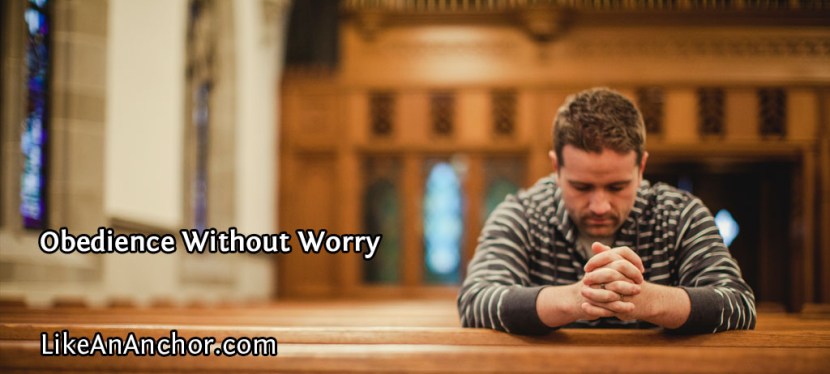
Obedience Without Worry

I recently reread C.S. Lewis’ Mere Christianity, and I’d like to start today’s post with one of the many quotes that stood out to me:

“Handing everything over to Christ does not, of course, mean that you stop trying. To trust Him means, of course, trying to do all that He says. There would be no sense in saying you trusted a person if you would not take his advice. Thus if you have really handed yourself over to Him, it must follow that you are trying to obey Him. But trying in a new way, a less worried way. Not doing these things in order to be saved, but because He has begun to save you already.”

It’s a perfect way of describing the relationship between faith and works. We’re not saved by anything we do, but being saved inspires us to obedience and therefore faith-fueled action.

A Different Perspective on Law

This whole idea also makes me think of Psalm 119, which we were just looking at a couple months ago. The writer of Psalm 119 crafted a beautiful poem that pays homage to God’s law, precepts, and ordinances with every line. It’s a celebration of God’s precious words and of the positive effect following his instructions can have on our lives.

Blessed are those whose ways are blameless, who walk according to Yahweh’s law. Blessed are those who keep his statutes, who seek him with their whole heart. (Psalm 119:1-2, all quotes from WEB translation)

I will delight myself in your commandments, because I love them. I reach out my hands for your commandments, which I love. I will meditate on your statutes. (Psalm 119:47-48)

How I love your law! It is my meditation all day. Your commandments make me wiser than my enemies, for your commandments are always with me. (Psalm 119:97-98)

When was the last time you thought of God’s commandments as a delight? Or felt like exclaiming, “I love His law!” All too often, modern churches describe God’s law either as a burden we’re well rid of or as something we still have to put up with and must fear breaking. The people closest to God, though, have historically seen His words as something precious; a gift given for our good. He is to be obeyed, but not out of a sense of obligation. We obey because we love, and because we are loved.

Read more