Update: Click here for a newer post about Loki with a more complete type analysis.
Over the past couple weeks, without even looking for them, I’ve stumbled upon two blogs talking about Myers-Briggs types for fictional characters. One is a Tumbler called MBTI in Fiction. The other is a blog titled A Little Bit of Personality, with a series of posts analyzing heroic archetypes.
I’ve been intrigued by the characters each of these writers choose to type as INFJs. Neither of these writer’s are INFJs themselves (the writer from “MBTI in Fiction” is an ENTJ and the writer of “A Little Bit of Personality” is an ENTP), and it’s interesting to see who non-INFJs think are INFJs. I don’t always agree with them, but it’s interesting.
Loki
 This was the first post I saw from MBTI in Fiction. My initial reaction was, “There’s no way Loki and I have the same personality type.” But I agree that he’s an introvert, and I don’t think he’s logical or grounded enough to be either an S or a T type, so that leaves us with INFJ or INFP. (Some people type him as an INTJ Mastermind, but he seems to rely on Extroverted Feeling more than Extroverted Thinking as a function).
Both INFJs and INFPs feel everything very deeply and trust their intuition. However, INFPs tend to keep their emotions to themselves, though feelings will inform all their actions. Outwardly, they appear “receptive and non-judgmental.” INFJs prefer to approach the world through Introverted Intuition (Ni), followed by Extroverted Feeling (Fe). They are the rarest type, often question their sanity, rely strongly on their intuitions about people, and tend to talk about their feelings. Dr. A.J. Drenth’s profile includes this descriptions, which I think sounds a lot like Loki (as played by Tom Hiddleston in The Avengers):
INFJs are far less serious inwardly than they may appear outwardly. Their inner world is well described as playful, imaginative, colorful, mischievous, and daring. Characterized by Perceiving rather than Judging, it is far less controlled and regulated than that of INFPs. INFJs love playing with ideas, perspectives, theories, images, symbols, and metaphors.
Another reason I’ve been won-over to typing Loki as an INFJ is because of the description of INFJ villains on A Little Bit of Personality’s page. It really does sound like Loki, and the last line hits a little too close to home for me to brush this analysis off as written by someone who just doesn’t understand INFJs.
When turned to villainy, the INFJ is *creepy*! There isn’t really any other word for it. Dark Paladins are the best of manipulators because they are incredibly intuitive about people and can apply their mild-manneredness to going under the radar as long as they need to, manipulating others who would never suspect them. Because they are so good at this and *know* it, pure-hearted INFJ’s often wonder if they are secretly evil and manipulative at heart, like one day they’ll wake up and realize they were bad all along.
Future Posts?
I was planning on covering several characters, but after I started writing Loki I decided one would be enough for a single post. Maybe I’ll write more at some other time, if anyone is interested. Are there any characters you’ve been thinking are INFJs? Would you be interested in me typing non-INFJ characters?
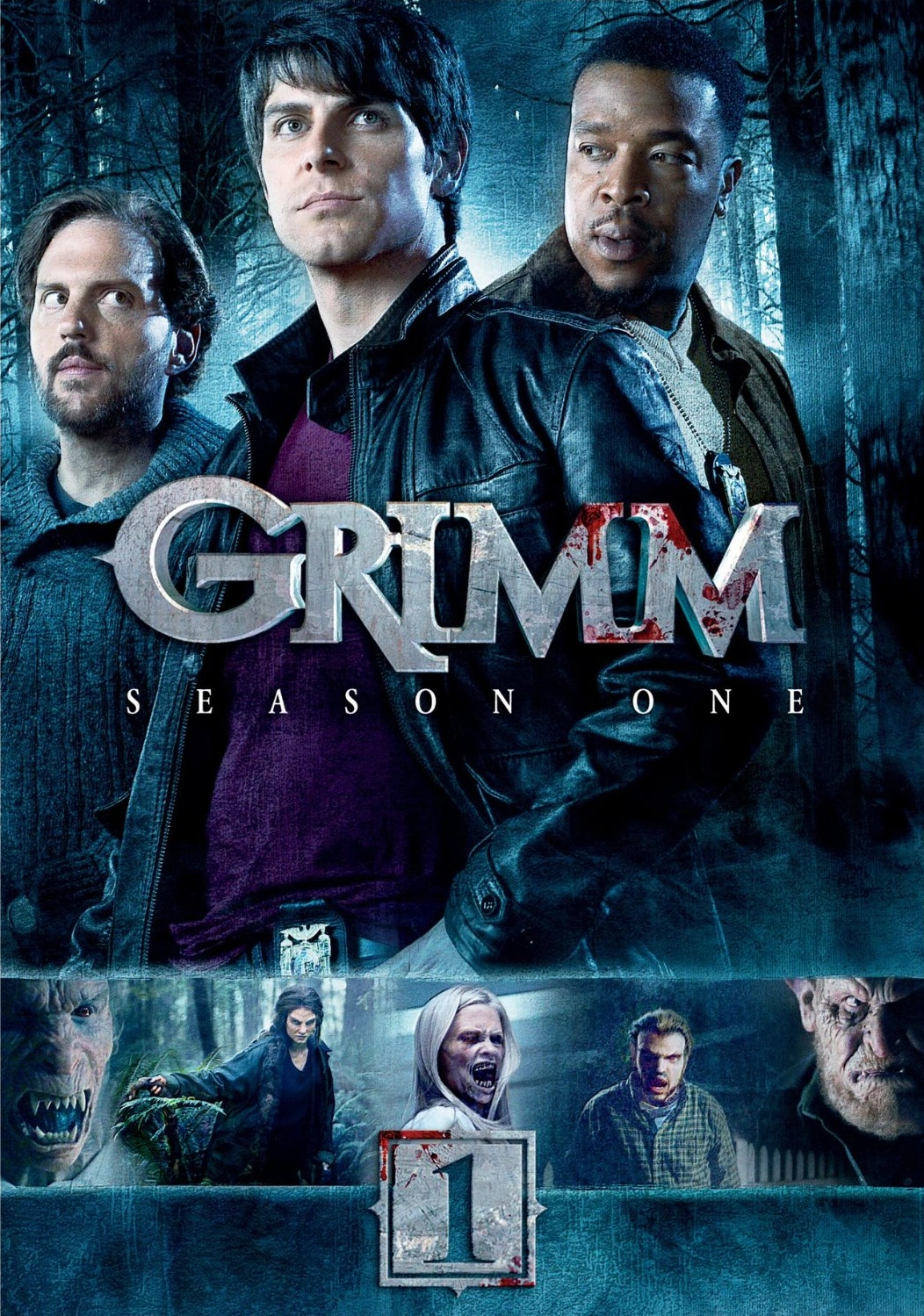 I recently started watching the TV show
 Like An Anchor