Fictional MBTI – T’Challa (ISFP)

I saw Black Panther yesterday, so naturally today’s post is a new installment in the superhero Myers-Briggs types series. I know I get pretty excited about most of the MCU films, but this one is seriously good. I love the hero characters and the principles they stand for like loyalty and peace. The acting is great, the plot’s tight, I love the music (I’m listening to the score as I type), and while it still has a superhero-movie feel it doesn’t shy away from digging into some really deep and difficult subjects.

T’Challa’s judging functions are pretty easy to pin-point: Fi/Te. But the fact that he uses Introverted Feeling and Extroverted Thinking when making decisions only tells us that he’s either a TJ or FP type. We’re going to need a little more to go on than just those two functions if we’re going to narrow-down a type for him. After Captain America: Civil War came out, most people typed T’Challa as an ISFP. However, a couple of the discussions I found online pointed out that he’s an ENTJ in the comics. I haven’t read the comics, though, so this typing is only going to focus on his film portrayal. From that, I ended up going with ISFP.

A Personal Code

Everyone has and uses both a Thinking and a Feeling mental process as part of their personality type. They’re both a “Judging” function, which means you use them to make decisions and answer “should” questions. The one you’re most comfortable with is either your driver process or co-pilot, and then its opposite is either your inferior or tertiary process.  Personality Hacker uses nicknames for the Jungian cognitive functions, and I think they make it easier to talk about exactly what I mean when saying T’Challa uses Fi/Te when making decisions.

Fictional MBTI - T'Challa (ISFP) | marissabaker.wordpress.com

Introverted Feeling is nicknamed “Authenticity” and it’s an ISFP’s primary function. It’s an internally focused, subjective process that mostly boils down to making decisions based on what “feels right” to you. Unlike the Extroverted Feeling process, it’s not primarily worried about what other people think. Authenticity is concerned with making a decisions that lines up with one’s own personal beliefs. And that’s what we see in T’Challa.

Though T’Challa certainly cares for other people, when he makes decisions they’re in line with what he believes is right rather than what will make the majority of the people around him happy. Fi is the mental process that drives his decision at the end of the film to share Wakanda’s resources with the world (see — I told you we were going to talk spoilers). And this personal code is also why he let his father’s killer live at the end of Civil War. He discovered that killing an unarmed man for revenge wasn’t in line with his moral compass (though making sure he faces justice is). Similarly in this new film, he offered to save his cousin’s life even after the man tried to kill him and steal Wakanda.

Impersonal Logic

Fictional MBTI - T'Challa (ISFP) | marissabaker.wordpress.com

Extroverted Thinking, or “Effectiveness,” is a much more impersonal function than Introverted Feeling, though it’s still used for making decisions. It’s an ISFP’s fourth function — the one they’re least comfortable using.

Effectiveness users look for the most efficient answer to a question. In other words, this process makes decisions based on what’s going to work. This is why in Civil War T’Challa tells Natasha that he doesn’t approve of all the politics. It’s because a hundred people arguing in a room doesn’t seem like an effective or efficient way to actually get things done.

I also don’t think his decision to go after Bucky himself was just fueled by an emotional type of revenge. It was also a coldly logical assessment of the most efficient way to handle the problem since he knows that, as Black Panther, he can take down a super assassin. Since Te is where an ISFP goes when stressed, it makes sense that one of the times we most clearly see T’Challa using it is after his father’s murder.

Interacting With The Real World

Fictional MBTI - T'Challa (ISFP) | marissabaker.wordpress.com

SP types have a certain advantage in physically-demanding tasks since this mental process is so focused on real-time interaction with the outer world. While being the Black Panther certainly enhances T’Challa’s abilities as a warrior, this new film shows us that he’s quite capable without them. He displays the sort of “real-time kinetic” intelligence that Personality Hacker says characterizes types that use the Extroverted Sensing, or “Sensation,” process. On a side-note, the ritualistic combat you see in Black Panther is inspired by real-world African martial arts, which is pretty cool.

SP types thrive on being in the middle of the action. And since Sensation is their Learning/Perceiving function, this is also how they prefer to learn new information. The things they can experience and verify with their five senses are the things that seem most reliable. And they often use their skill for interacting with the real world in creative, productive ways, earning ISFPs nicknames like Artist, Composer, and Producer.

As an SP type, T’Challa isn’t content with delegating tasks and that he can do himself. He goes after his enemies personally, even when not required by tradition and ritual. And he doesn’t just want to read reports or have people come to him to say what’s going on in Wakanda. We see him visiting his people and interacting with their worlds first-hand. He’s also interactive when planing missions. For example, there’s an early scene in Black Panther where he’s watching a projection of a convoy he’s about to attack as part of a rescue mission and he picks up one of the projected trucks to move it around and get a closer look.

Possibilities and Patterns

Fictional MBTI - T'Challa (ISFP) | marissabaker.wordpress.com

As far as we know, T’Challa is the first Black Panther to reveal his powers to the world at large. And he’s certainly the first king of Wakanda to share their country’s secrets with the world. While there is a struggle between the part of him that believes in a vision for Wakanda’s future where they help the world and his duty as king to protect his own people above the others, the idealistic visionary side wins out.

An ISFP has Introverted Intuition as their tertiary or “10-year-old” mental process. It’s also called “Perspectives” and it functions as a pattern-recognition system. ISFPs typically have conscious access to their Perspectives function, but it’s not always reliable.  T’Challa is mature enough to recognize this and does not rely on his Ni too much or make a rash decision based on it.

However, he’s also comfortable enough with Intuition to not shy away from what his friend Nakia and sister Shuri have to say about considering a future where Wakanda and its technology play a larger role in the world. And as an Ni-user myself, I find it very satisfying that Wakanda’s first outreach center will be built in the location where T’Challa’s father killed his own brother and abandoned the brother’s son to protect Wakanda’s secret. It brings the pattern together in a way that feels right.


If you enjoyed this post, check out my other MCU typings:
Bucky Barns – ESTP

Loki – INFJ

Scott Lang -ISFP

Steve Rodgers – ISFJ

Thor – ESTP

Tony Stark – ENTP

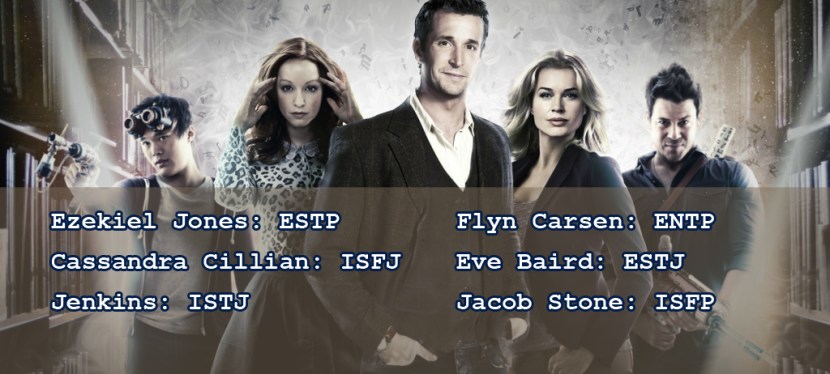
Ficitonal MBTI – The Librarians

The Librarians is one of my favorite TV shows. What could be better than a team of bookworms saving the world from runaway magic? Sure it’s campy and can’t be taken too seriously, but isn’t that part of the appeal?

Typing fictional characters is one of my favorite things to do in blog posts. I’d started writing this one for last week, but when I realized how many of the Librarians characters are Sensing types I thought it’d be a great follow-up to my “Myths About Sensing Types” post. One of the more pervasive myths about Sensors is that they’re neither intelligent nor imaginative. Since all the main characters in this show except Flynn are Sensors, The Librarians provides a perfect example to the contrary.

Please note: I type using cognitive functions, which are the basis of Myers-Briggs theory. If you’re not familiar with this concept or want a refresher, check out this articles: The Simplest Guide To Myers-Briggs Functions Ever

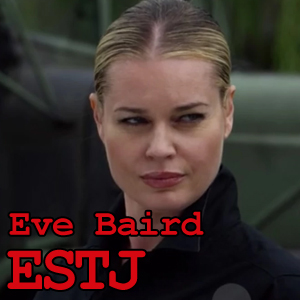
Eve Baird: ESTJ

Ficitonal MBTI – The Librarians | marissabaker.wordpress.com

Eve is the easiest character to type, partly because she’s such a stereotypical example of the type nicknamed “Supervisor” or “Guardian.” ESTJs are known for their blunt demeanor, no-nonsense attitudes, and ability to keep things moving forward. They also care about keeping the world running as it should be, a trait Eve devotes to keeping the Library safe and magical artifacts out of the wrong hands.

ESTJs lead with a judging function called Extroverted Thinking/Effectiveness. That means Eve’s preferred mental process involves measuring and managing impersonal criteria when making decisions. There are examples of this in literally every episode. Read more

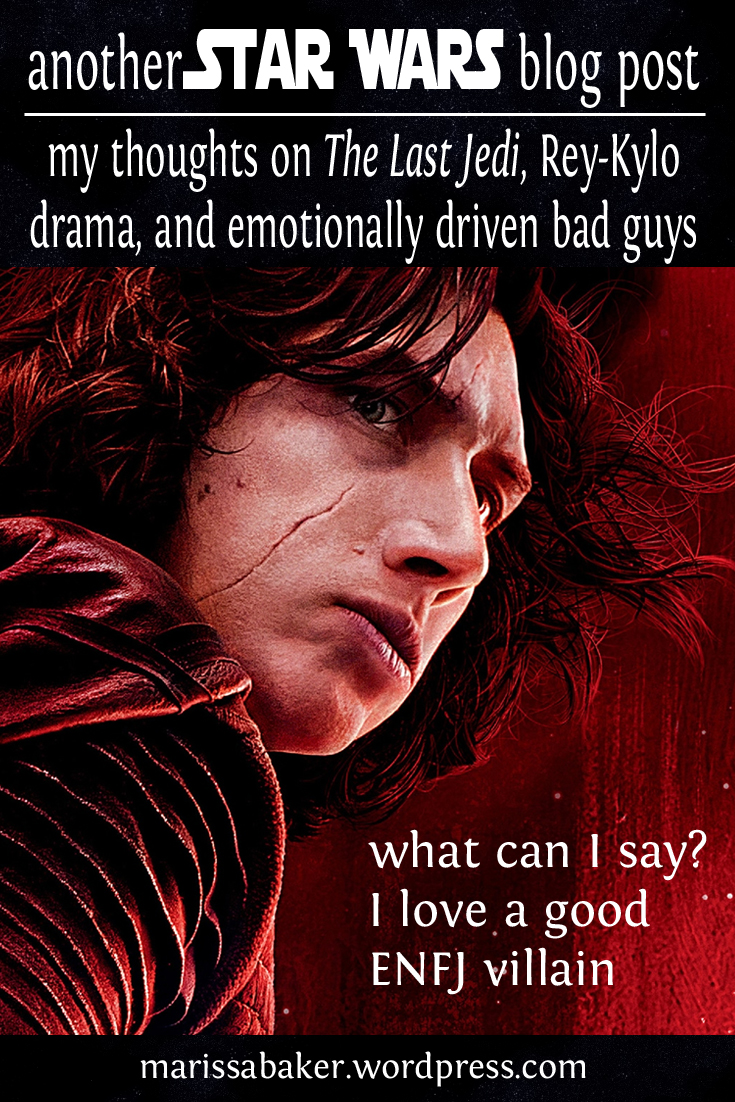
Another Post About Kylo Ren: My Thoughts on The Last Jedi and Emotionally Driven Villains

Note: an updated post about Kylo Ren’s Myers-Briggs type can be found on my Star Wars Personalities blog

If you were reading this blog two years ago, you know Kylo Ren is the new Star Wars character I found most intriguing. While most other fans were debating who Rey’s parent’s could be and what we might learn about Snoke’s origins, I was in the smaller group analyzing Kylo’s character arc and reading every in-canon novel looking for glimpses of his backstory.

Honestly, the thing I was most excited for going into The Last Jedi was seeing whether or not I’d still type him as an ENFJ after learning more about his character. My siblings seemed to think that was weird, but what can I say — I love a good Idealist-type villain and writing/thinking about personality types is what I do. Can you blame me?

And so this is my second post about Kylo Ren on this blog. If you haven’t seen The Last Jedi yet now’s the time to stop reading because

SPOILER WARNING

Seriously, if you don’t want to learn about major plot points and character arcs in The Last Jedi then get yourself to a theater before you read this blog post.

Another Post About Kylo Ren: My Thoughts on The Last Jedi and Emotionally Driven Villains | marissabaker.wordpress.com

Where Are The Knights of Ren?

This might be my biggest question coming out of the film. We caught a brief glimpse of the Knights of Ren in The Force Awakens and learned that Kylo is “master of the knights of Ren,” but that’s about it. People weren’t even sure whether the Knights of Ren were an order Kylo joined or one that he founded (I was on the “founded” side of the argument, suggesting “Knights of Ren” should be taken as “Knights who follow/belong to Ren”).

In The Last Jedi, Luke reveals that he was training 12 students when Kylo destroyed his new Jedi academy. A “handful” of the students joined Kylo and he slaughtered the others. It’s not too much of a leap to say that those students became the Knights of Ren, which would support my favorite theory for their origin, but where are they now? They’re not mentioned by name in this new film and it seems that if Kylo had a half-dozen force wielders sworn to follow him he should have been using them to hunt down the last of the resistance as well as Rey and Luke.Another Post About Kylo Ren: My Thoughts on The Last Jedi and Emotionally Driven Villains | marissabaker.wordpress.com

ReyLo Drama

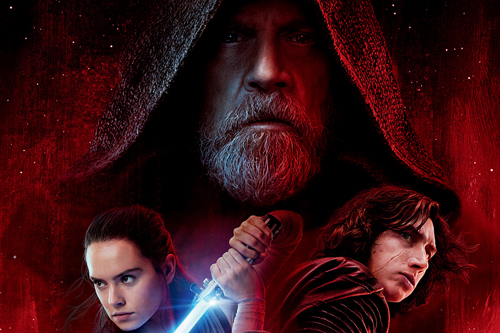
I really can’t talk about Kylo Ren in The Last Jedi without talking about what happened between him and Rey. When they started communicating across the galaxy with each other I was really expecting a sibling reveal. It just so neatly parallels Luke and Leah’s Force-assisted communication. But then we find out Snoke was behind the connection and Rey’s parents are “nobodies.” I’m a little disappointed that there isn’t more of a reason for her connection with Anakin’s/Luke’s lightsaber, but I’m okay with this direction for her character’s story. She doesn’t have to be a Skywalker to be strong in the Force — the thousands of Jedi who existed prior to there even being a Force-sensitive Skywalker proves that.

Anyway, back to Rey and Kylo. It really wasn’t clear there for most of the film whether he would turn to the Light or she would turn to the Dark. I loved that edge-of-your-seat emotional drama. The moment where they touched hands (you know that one I’m talking about) gave me all the feels and watching them fight Snoke’s guard together might have jumped into my top-3 favorite lightsaber battles (I’ll have to watch it again, probably very soon, to be sure).

Another Post About Kylo Ren: My Thoughts on The Last Jedi and Emotionally Driven Villains | marissabaker.wordpress.com

I Still Think He’s An ENFJ

I’m beyond happy that my post from two years ago speculating about Kylo’s origins and personality type is still relevant after what we learn in The Last Jedi. I don’t think they contradicted any of my guesses, and when we learn that Kylo destroyed Luke’s academy after waking to see his mentor holding a lightsaber over him … well, that just supports my theory that Kylo was desperate for a mentor figure who would actually be there for the “real” him instead of one that was so terrified of his potential to be like Vader that he thought about killing him.

Also, I still think Kylo Ren/Ben Solo is an ENFJ personality type, albeit a very unhealthy version. He’s still showing a strongly idealist (NF) streak and his pitch to Rey when asking her to join him is right out of the NFJ villain textbook. It’s the same kind of argument you see in INFJ Ra’s Al Ghul use: the world is broken, so we need to wipe it clean and rebuild something that actually works.

I had a few people argue on my last post that Kylo is an introvert, but I’m still going to go with Extrovert. I feel like he’s leading with his Extroverted Feeling rather than Introverted Intuition, and when we see him go into “stress mode” it looks more like the ENFJ’s inferior Thinking than the INFJ’s inferior Sensing. I’m sure General Hux would say Kylo is excessively critical, displays convoluted logic, and has obsessive behaviors when in the “the grip” of his 3-year-old mental process. In contrast, a stressed INFJ is usually characterized by obsessive focus on external data (Kylo ignores such data), overindulgence in sensory pleasure (not something we see from Kylo), and adversarial attitude to the outer world (his rage is more focused on specific people than the idea that the world is out to get him).Another Post About Kylo Ren: My Thoughts on The Last Jedi and Emotionally Driven Villains | marissabaker.wordpress.com

An Emotion-Driven Villain

I love that as a villain, Kylo’s driving motivation is far more about connection (or lack thereof) than power (which is another reason to type him as a Feeling-dominant ENFJ). His major choices in this film all have to do with who he is and isn’t connecting with. We learn that in the past he lashed-out at Luke and all his students when he believes his mentor was about to kill him, and we see a similar thing happen when he kills his current mentor Snoke. Snoke has been telling Ren the whole movie that he’s pathetic and easily controlled, so when Snoke demands Kylo kill the one person he’s formed a new bond with (Rey), Kylo kills Snoke instead.

It’s a very Sith-like move to kill your mentor and take an apprentice, but that’s not exactly what Ren is trying to do. He’s been building an emotional connection with Rey and his pitch to her is less rule-the-galaxy-and-bring-order (like ENTJ Vader) than it is bury-what-hurt-us-and-build-something-new. And that’s on top of his assurance that she means something to him personally after they learn that she comes from nowhere and is a “nobody” (Update: director Rian Johnson has confirmed that Kylo, at least, believes he’s telling the truth). Even if the rest of the universe doesn’t care about them they could share a connection that would reshape the entire galaxy. It’s about relationship, not just power. And when Rey leaves him too, Kylo lashes out with such violence that even Hux thinks it’s excessive. When the red-headed Nazi thinks you’ve gone too far it might be time to reign yourself in.

It’s going to be really interesting to see where this goes next. Much as I would love to see him truly follow in the steps of Darth Vader/Anakin Skywalker by turning back to the Light, I’m not really expecting a redemption arc for Kylo at this point. It’s probably more a toss-up whether Rey or Hux manage to kill him first (maybe Rey will best him in a duel, then Hux will shoot him as she’s struggling to decide whether or not to spare Kylo).

Another Post About Kylo Ren: My Thoughts on The Last Jedi and Emotionally Driven Villains | marissabaker.wordpress.com

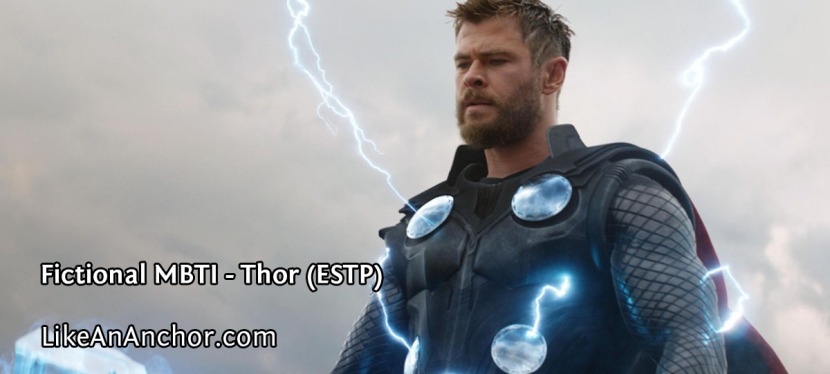
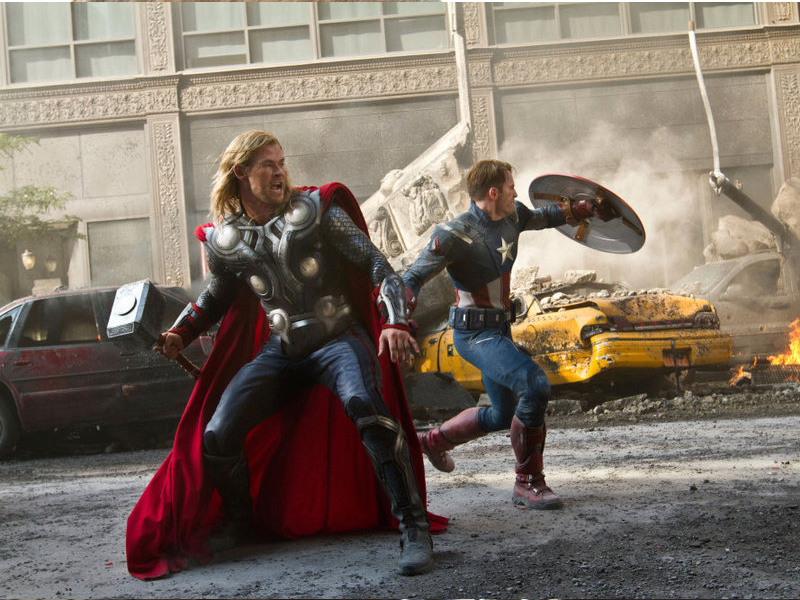
Fictional MBTI – Thor (ESTP)

With Thor: Ragnarok now out, it seemed like a good time for another Fictional MBTI post, especially since Ragnarok is so good. Who would have thought a film about the destruction of Asgard and fall of the gods (that’s not a spoiler — it’s Norse mythology) could be so light-hearted and fun?

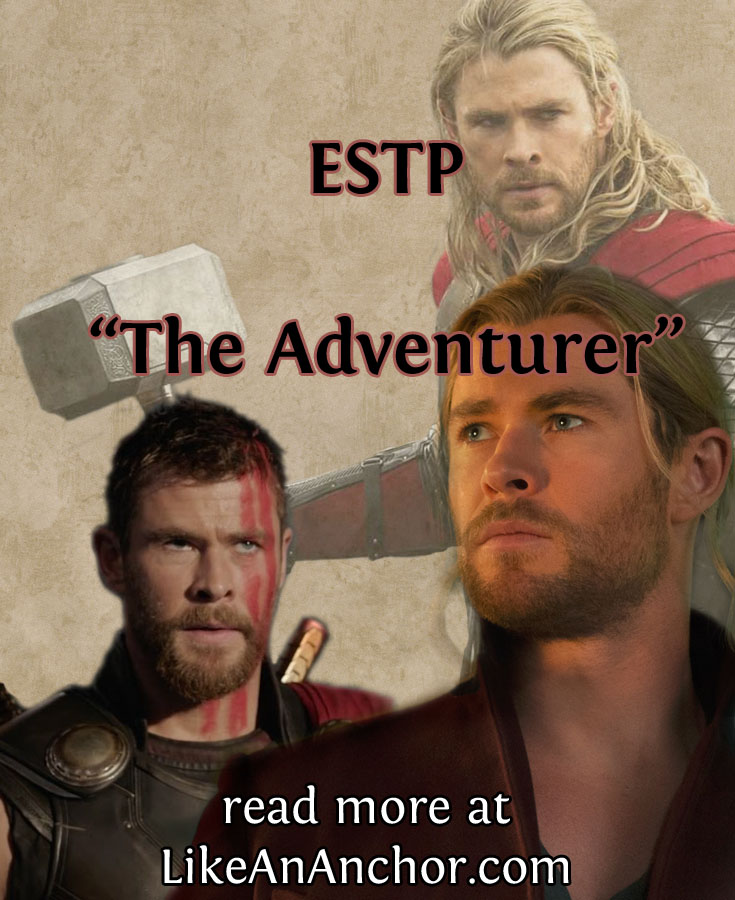
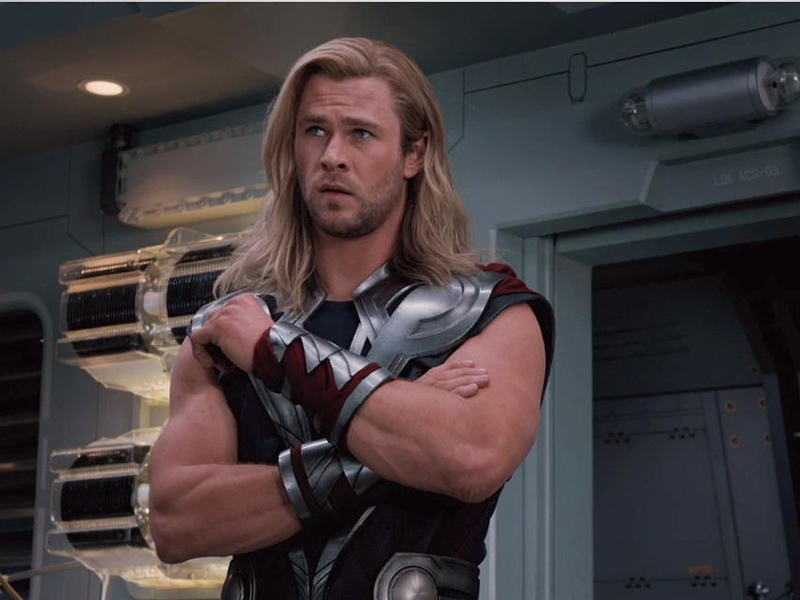
I’ve been typing Thor as an ESTP since the first film came out, which I think is pretty much the standard typing for him (please note: I’m only typing the MCU version of Thor, not his character in the comics or mythology). Still, just because there’s not much debate about his type doesn’t mean we can’t give him his own post. There are several different nicknames for this type, and for Thor I decided to go with “Adventurer” rather than the more commonly used David Keirsey nickname “Promoter.”

A Man of Action

Fictional MBTI - Thor (ESTP) | marissabaker.wordpress.com

ESTP types lead with a mental process called Extroverted Sensing (Se). Fittingly, this is the most visible aspect of Thor’s character in the films. SP types are doers. They thrive on taking action in the real world and they’re good at it. Really good. In fact, I’d venture a guess that most action heroes in fiction are SP types, especially STP types. It’s not that they can’t pause for reflection or plan ahead. It’s that they don’t really see the need since things usually work out so well for them.

ESTPs have a reputation for being thrill-seekers, and it’s not hard to see why. Their dominant Se seeks variety and physical stimulation. They like to take risks, yet they are so aware of their physical surroundings and their limits that they are probably the smartest physical risk-takers around. They have a natural awareness for what their body can or can’t do, paired with quick reflexes, and an ability to keep their wits in a crisis.” — Susan Storm, Understanding ESTP Sensing

This side of Thor’s character is at the forefront in the new film as well as his past appearances. In Ragnarok’s opening scene, he even comments that fighting against overwhelming odds without a real plan seems to always work out for him. And not only does it work out, he’s clearly enjoying himself. He thrives on challenge and risk-taking.

Thoughtlessly Charming

Fictional MBTI - Thor (ESTP) | marissabaker.wordpress.com

I’m going to skip over an ESTP’s co-pilot process for now and talk about their tertiary side. It’s tempting for any type to bypass their secondary function and spend more time in their less-developed tertiary side because that lets them stay in their preference for introversion or extroversion. For example, an ESTP’s primary and tertiary functions are both extroverted, while their secondary one is introverted.

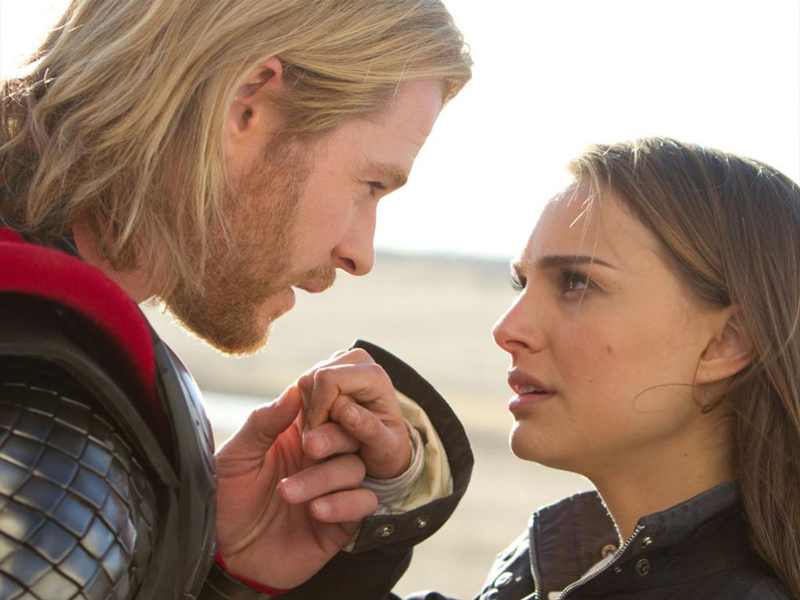
Extroverted Feeling (Fe) isn’t all that well-developed or reliable for ESTPs. It can lead to bad decisions based on doing things that will make them look good to or fit in with the people around them (Fe is a process focused on harmony in relationships). Thor is clearly enjoying his social position in the opening scenes of the first film and I suspect that a large part of how he acts is because “reckless military leader” is the persona people expect (though I doubt he’s analyzed it that much). We also see him using his Fe to connect with people on earth as the charming gentleman Jane Foster falls in love with.

Learning After Doing

Fictional MBTI - Thor (ESTP) | marissabaker.wordpress.com

ESTPs learn best by doing. They’re not the sort to listen to lectures or spend a lot of time planing. They’d rather do something and see how it works out, then adjust future actions accordingly. Until something doesn’t work out there’s not much of a reason for them to spend time figuring out why. Which leads us to a discussion of an ESTP’s secondary function, Introverted Thinking (Ti).

Most people start to develop their secondary function in their teens, but it’s not a comfortable process for people to be in so we don’t always focus on growing it until we have to. For ESTPs, this “co-pilot” is a judging function that they use when making decisions. Ti is concerned with figuring out what makes sense, aligning to personal convictions, and impartially looking at facts. Thor starts doing this when his exile from Asgard in his first film forces him to look at the sort of decisions he’s been making and re-think his actions.

We do also get glimpses of an ESTP’s healthy thinking side in Thor’s character. People of this type can be incredibly clever and intelligent, though they’re often underestimated because so many outsiders just see their action-oriented side. An example from the first film is when he’s explaining the science behind Bifrost travel to Jane. He makes it look easy, but he’s managing to translate two completely different cultural way to framing the world (science and magic) in a way that makes perfect sense to an earth scientist. And in Ragnarok, we get a conversation between him and Bruce Banner where Thor effortlessly keeps up with and understands the scientific terminology used by a man with multiple PhDs.

Stress And The ESTP

Fictional MBTI - Thor (ESTP) | marissabaker.wordpress.com

Being cast out of Asgard in the first film, and especially learning that Mjölnir doesn’t see him as worthy anymore, pushes Thor into his least developed function. For ESTPs, that’s Introverted Intuition (Ni). When intuition is a type’s stress function, stressful situations tends to confuse their normally clear thought process and they may become angry, paranoid, or feel hopeless. It typically doesn’t take ESTPs long to bounce back, though, which helps explain why Thor’s despondency only lasts until he’s given a chance to take action and fight back.

What’s really interesting about Thor of the MCU films is that this version of his brother Loki is an INFJ type. Making Loki and Thor complete opposites in their personalities means they use the exact same mental functions in the opposite order. Thor’s weakest mental process is Loki’s strongest (INFJs lead with Ni), and vice-versa. No wonder they’re constantly butting heads and struggling to understand each other.


If you enjoyed this post, check out my other MCU typings:
Bucky Barns – ESTP

Loki – INFJ

Scott Lang -ISFP

Steve Rodgers – ISFJ

T’Challa – ISFP

Tony Stark – ENTP

Save

Save

Save

Save

Save

Save

Save

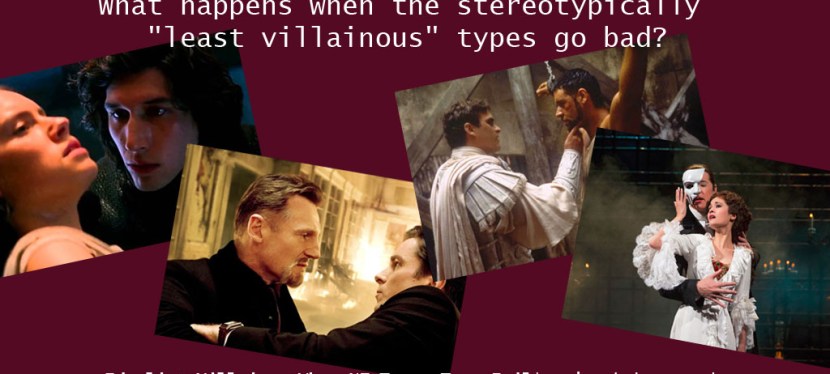
Idealist Villains: When NF Types Turn Evil

A few weeks ago I observed something curious in one of the personality type groups I frequent on Facebook. One member started a discussion about what kind of villain different personality types would be and there were a few types they didn’t even list. Their assumption was that most Feeling types wouldn’t become villains and especially not NF or FP types.

Rather than bask in the knowledge that we’re the lest villainous type a surprisingly high number of NFs jumped into the comments to defend our ability to turn evil. Most of their comments went something like this: “Well, I wouldn’t personally be a villain, but I could be because *insert reasons.* And on top of that, *insert fictional or real name* is a villain of my type.” I laughed at the number of INFJs who reminded people that Hitler was an INFJ while at the same time reassuring people they don’t feel Hitler-ish tendencies themselves.Idealist Villains: When NF Types Turn Evil | marissabaker.wordpress.com

Who Gets To Be The Villain?

I dare say when most people think about villains, they think of a detached mastermind. There’s a ridiculously high percentage of NT type villains (and correspondingly few NT heroes; it’s even harder to find heroic INTJs in fiction than it is to find NF villains). In real life, of course, people of any personality type can lean more towards the best version or the worst version of their type. No one personality type is inherently “better” than any other. However, society does stereotype certain characteristics associated with types as better or worse.

Prioritizing other’s safety over your own, a characteristic most commonly associated with FJ types, is often seen as a heroic trait. Hence, we see characters like Captain America with an ISFJ personality type. But what if you have an ISFJ character who decides only a certain group of people (or even just one person) is more valuable and it’s their duty to protect them? Suddenly the heroic trait doesn’t seem so safe any more. Especially when you consider the prime example of a villainous ISFJ is Norman Bates from Psycho. Read more

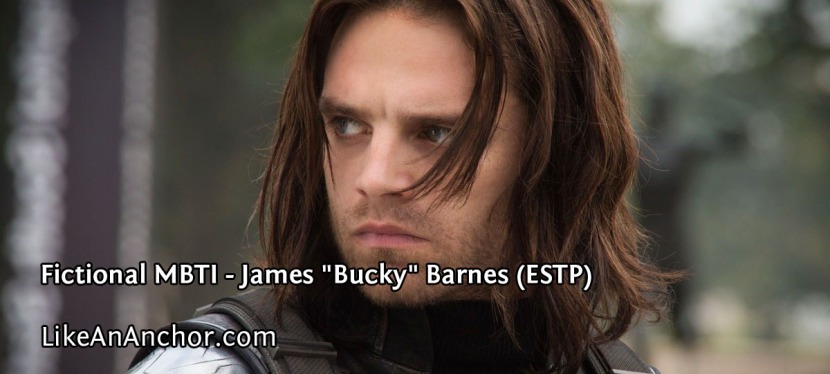
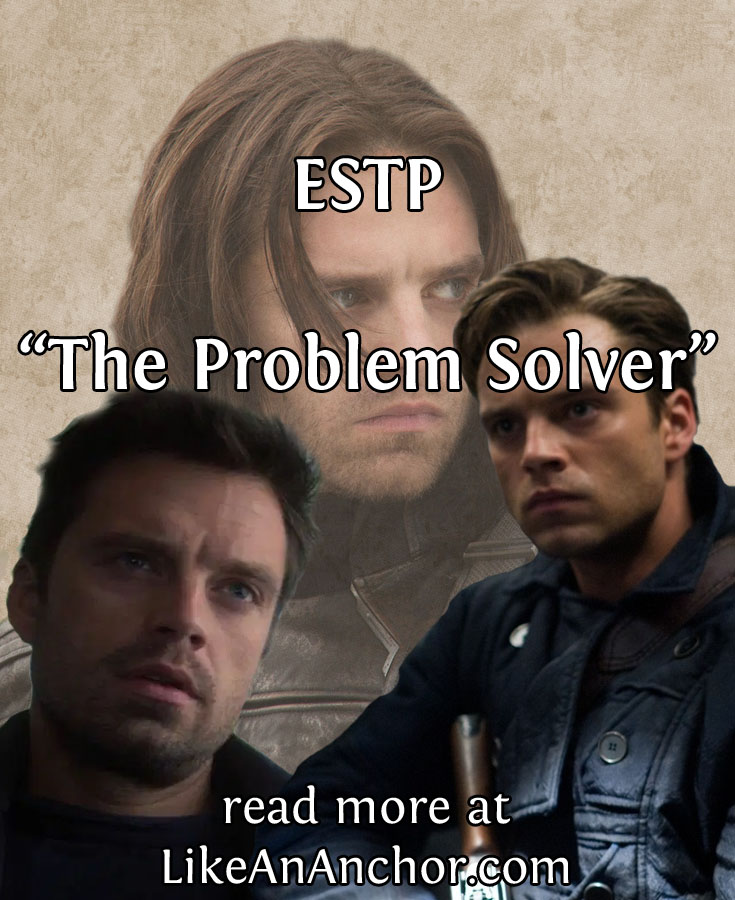
Fictional MBTI – James “Bucky” Barnes (ESTP)

It always intrigues me how certain characters attract so much investment from viewers. Browsing Pinterest lately, it seems like Bucky is the new Loki — the Marvel fandom’s dark, mistreated character who just needs a hug because we love him soooooo much. In Bucky’s case, the reasons why we find his character compelling aren’t too hard to find. He’s a good man who was forced to do terrible things and is now constantly fighting a battle to be himself. Sebastian Stan’s portrayal allows audiences to glimpse Bucky’s human side under the soldier persona he wears and the assassin role he’s forced to adopt, and audiences are drawn in by a realistic, sensitive portrayal of a compelling character.

Most people type James “Bucky” Buchanan Barnes as an ESTP, and I’m inclined to agree with them. Operating under the assumption that MBTI type doesn’t change, when we see him as Bucky in Captain America: First Avenger he’s a healthy, stable version of his MBTI type. The version of Bucky we see later in Captain America: The Winter Soldier is a severely stressed and traumatized man of the same MBTI type. Bucky in Captain America: Civil War is still dealing with the fall-out of all he went through, but he’s more recognizable as an ESTP.

Typing Bucky Barnes

We only get about 13 minutes of footage with Bucky in the first Captain America film, but those scenes reveal a character in line with type descriptions of ESTPs as people characterized by decisive action, contagious energy, and enjoyment of being in the moment. They are “thrillseekers who are at their best when putting out fires, whether literal or metaphorical. … They assess situations quickly and move adeptly to respond to immediate problems with practical solutions” (Truity.com description). David Keirsey writes that ESTPs (whom he nick-names Promoters) “live with a theatrical flourish which makes even the most routine events seem exciting. … Promoters demand new activities and new challenges. Bold and daring at heart, and ever-optimistic that things will go their way, Promoters will take tremendous risks to get what they want, and seem exhilarated by walking close to the edge of disaster.” Other nicknames for ESTPs include “problem solver” and “realist.”

ESTPs lead with a mental process called Extroverted Sensing, or “Sensation.” This process “can get into the action in the moment. Think of it as ‘real-time kinetic’” (from Personality Hacker). It’s a fun-loving function that delights in sensory experiences, such as Bucky spending his last night in New York dancing with girls he probably doesn’t care whether or not he ever sees again. On that same night, he and Steve are talking about Steve’s inability to enlist and he says, “I don’t see what the problem is. You’re about to be the last eligible man in New York.” He’s trying to make Steve feel better with joking and doesn’t really ‘get’ the duty-fulfilling and self-sacrificing aspect of Steve’s character. It’s not a deeply ingrained aspect of his personality type (like it is for ISFJ Steve), though in practice he still does his duty and sacrifices himself because he’s a loyal friend and a good man.

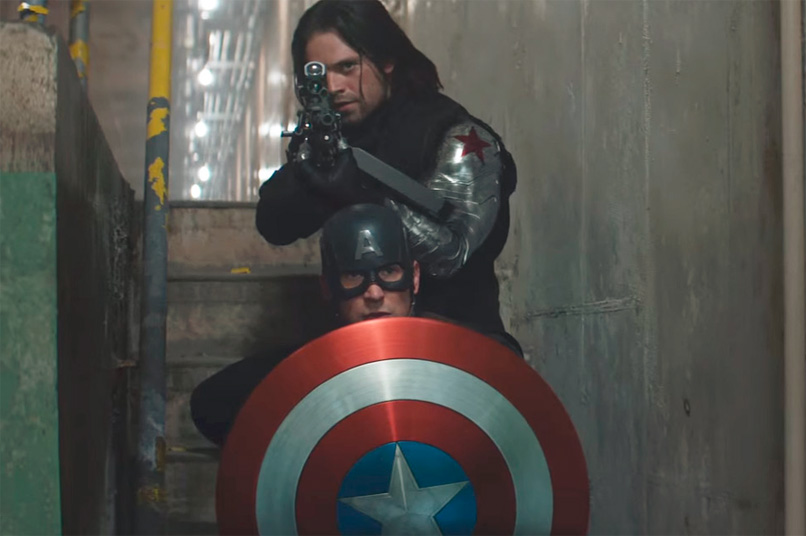
We also see Bucky demonstrate sensory skills in more serious situations. Even post-experimentation and groggy when escaping Redscull’s prison, Bucky could walk across that metal girder with coordination, balance, and no hints of fear other than a healthy caution. As a Howling Commando, we see him as a sniper (which requires skills that come naturally to SP types) and making split-second sensory decisions with ease in the final train fight.

ESTP types support their Sensation function secondary with Introverted Thinking (or “Accuracy”) and then tertiary Extroverted Feeling (or “Harmony”). These mental processes describe how ESTPs, like Bucky, make decisions. First he’s using impersonal criteria to evaluate information and make decisions that are motivated by his own understanding of how the world works. Extroverted Feeling gives ESTPs an insight into other people that they stereotypicaly use to be charming and get people to do what they want. When he tries to ask Peggy to dance, he’s clearly not used to being ignored in favor of his friend (or any other guy). ESTPs are not primarily an emotional sort of people, though. In an early scene, Bucky had just had an argument with his best friend and turns that emotionally invested side of himself ‘off’ to take the girls dancing and enjoy himself.

The Winter Soldier

Once Hydra turns Bucky into the Winter Soldier, it’s difficult to use any scenes to get a clear picture of his personality type. In Captain America: The Winter Soldier we see a few glimpses of the real Bucky trying to get out, but not really anything to help with typing him. In Civil War, however, his own mind is starting to reassert itself and we can talk about his personality type in that film.

When ESTPs are stressed, one of the most common things they experience is internal confusion. They feel out of control, forget details, and become paranoid. Their inferior, or 3-year-old, function is Introverted Intuition (also called “Perspectives”). It’s a mental process that speculates on things that cannot be known, which is great for creativity and insight if you’re using it as a driver process but not so good if it’s an underdeveloped function that comes out when you’re stressed. Most ESTPs snap out of what Naomi Quenk calls a “Grip experience” (where stress causes your inferior function to assert itself) fairly quickly, but “Chronic grip behavior can lead the individual and others to believe that he or she is typically negative, pessimistic, and worried about both the present and the future” (Was That Really Me? p.180). Add to that all the torture and brainwashing used to turn Bucky into the Winter Soldier, and you have the Bucky who’s fighting alongside Cap in Civil War.

Here, we see a man who is not only fighting physical battles (and with extraordinary skill now that super-soldier enhancements have been added to his natural sensory abilities), but who is also fighting a mental battle. As extroverts, ESTPs tend to focus more on the external. Bucky’s experiences have turned him inward, making him more serious and forcing him to develop his Introverted Thinking side. Though type theory holds that your base personality doesn’t change, Bucky is in many ways a different person than the one we see in The First Avenger. He’s burdened with the weight of what he’s done and his friend Steve is now his only real connection with another human being.

In some ways, Bucky’s joking remark from the first Captain America movie “I’m turning into you” has come true. He’s become much more introspective and aware of the weight of his actions. Yet he’s also still thoroughly himself. We have a scene where he and Cap are reminiscing about fun times they had and a girl Bucky tried to impress, and he’s really Bucky against instead of the Winter Soldier. The fun-loving young ESTP is still in there, just buried deeply under the weight of all he’s been though.

In The First Avenger, we see Bucky fighting to protect his best friend and giving his life for his country. Now in Civil War, he trusts his best friend to help him through and gives up his freedom by going into cryostasis so he’s can’t be used to hurt others. Bucky’s decision to enter cryostasis at the end of the movie is also an intensely individualistic move that’s characteristic of SP types. If he can’t guarantee he can control himself, then at least he can make sure no one else can take control of him either.

bucky

If you enjoyed this post, check out my other MCU typings:

Loki – INFJ

Scott Lang -ISFP

Steve Rogers – ISFJ

T’Challa – ISFP

Thor – ESTP

Tony Stark – ENTP

SaveSave

Save

Save