How much time do you spend taking care of yourself? I’m starting to realize self-care really is important. In fact, one might argue it’s vital if you want to keep functioning. Of course you don’t want to develop a self-centered attitude, but meeting your own needs isn’t selfish. In fact, it’s kind of a prerequisite for being unselfish because you can’t be there for other people if you’re worn so thin there’s nothing left to give.
I backed a Kickstarter last week called “Own Your Stigma – A Pin Series.” The creator lives with anxiety, depression, and ADHD and wanted to make a series of enamel pins for other people with an invisible illness. The Kickstarter is closed now, but they’ll be opening up for other pre-orders within a few days if you’re interested. I’m not quite sure which ones I’m going to order yet, but I’m strongly leaning toward this one after the week I’ve had:
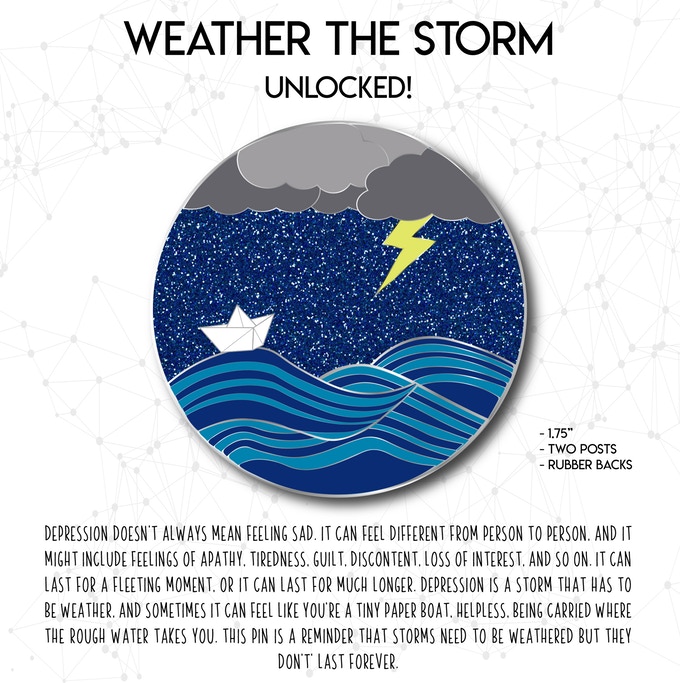
I talk about my anxiety pretty openly now. But I have a much harder time talking about my depression. For some reason, admitting I struggle with that washes me in a sense of shame that I don’t really feel anymore in connection with anxiety. So it’s not all that easy for me to write that for the past six days I’ve been barely functioning because even though nothing happened that would explain me feeling depressed I just emotionally “crashed.”
I probably won’t be ordering this particular pin style, but this past week climbing out of bed or talking with people did feel like something I might deserve a ribbon for.
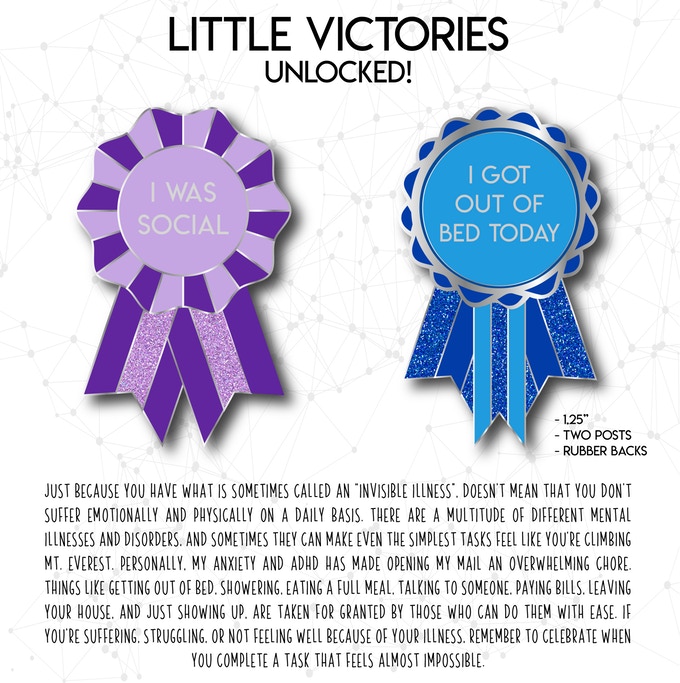
It’s amazing how “little things” that seem so easy when you’re not walking around in an apathetic fog or feeling like you could fall asleep any moment suddenly become well-nigh impossible Writing, cooking, eating, driving, interacting with people — they’ve all felt incredibly difficult. But there are some things I’ve just had to keep doing, like meeting certain work deadlines, eating food, and going to church. I know that if I miss those things I’ll feel worse and/or it will have long-term negative effects on things that are important to me when I do care. So I made myself get them done.
Still, even though there are some things you just have to keep doing when you’re down, I don’t think it’s good to push yourself to do all things you’d be doing if you felt fine. It’s okay to crawl back in bed for a while when you feel like you can’t sit upright a moment longer. It’s okay to feel sad, guilty, confused, anxious, etc. even if it’s for no reason that you can identify. Which brings us to one pin I definitely want to get from this series:
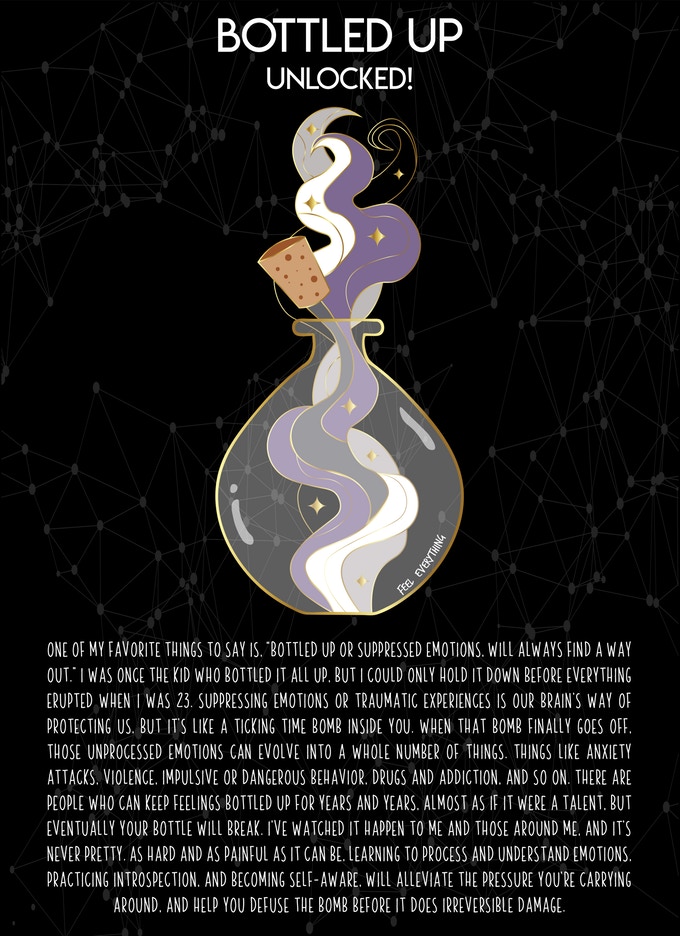
The text on this pin reads “feel everything.” I’m becoming a firm believer in this. I certainly don’t mean you should let your emotions control you or that your feelings are always going to tell you something that’s good for you. But I do think it’s vital that we let ourselves feel what we’re feeling and learn to process those emotions in a healthy way. Bottling things up and refusing to address them doesn’t usually make them go away. It just lets them build up until you’re forced to deal with a whole messy jumble of emotions farther down the road.
So let’s all make the time to take care of ourselves and give ourselves permission to feel everything. And maybe we can all learn together how to process the tough things and help each other when we’re struggling.
If you like the pins I’ve talked about in this post, then make sure you check out Snarky Co. Here’s a link to their Instagram.
Featured image credit: Foundry Co via Pixabay

 Like An Anchor