The apostle John had a particularly close relationship with Jesus. Though Jesus loved all of “his own who were in the world,” John is identified in particular as a disciple “whom Jesus loved” (John 13:1, 23; 19:26; 20:2, 21:7, 20-24). If we want to know Jesus — and we do, because that’s part of salvation and eternal life (John 17:3; Phil. 3:8) — then who better to learn from than John?
We’re taking a short break from our series on godly wisdom because I really felt like this was the topic I should be studying this week. Love and relationship are so important to God. Knowing Him and being known by Him are central to salvation, Christianity, and our eternal hope. We have to know Him in His way, though. Jesus said there will be people at the end who think they know Him and yet never had a relationship with Him (Matt. 7:21-23). That’s a scary thought, but John makes sure to leave us guides in his writings for how to love Jesus and how to tell whether or not we truly know Him.
Knowing God is Essential to Life
John’s writings are among my favorite in the New Testament. He highlights Jesus’ power and divinity — the things that make Him so much higher than us — more than any other gospel writer, yet He also highlights Jesus’s love and His longing for relationship — the things that make Him closer to us. The way John talks about Jesus and the Father makes it clear that the powerful, eternal, creator God longs for a relationship with us.
In the beginning was the Word, and the Word was with God, and the Word was God. The same was in the beginning with God. All things were made through him. Without him, nothing was made that has been made. In him was life, and the life was the light of men. … The Word became flesh, and lived among us. (John 1:1-4, 14, WEB)
Jesus came here not just to die for our sins and reconcile us to God, but also to get to know us. He is the good shepherd who knows His sheep and is known by His own, who choose to follow Him (John 10:14, 27). He calls us His followers, friends, chosen, and beloved (John 15:12-16). And He reveals that knowing Him and the Father is key to eternal life (John 17:3). The importance of knowing and being known by God cannot be overstated.
Keeping the Words of the Lord
We often like to think of concepts like love and grace as something with “no strings attached.” If there’s a commitment or reciprocation implied, then we may start to get defensive and resent that it’s not “freely given.” That idea would have been ludicrous to the people of Jesus’ day. Grace is a reciprocal arrangement (we don’t have time to go into that in this post, but click here for an excellent booklet on the subject). Love has to do with commitment and covenants that attach us to God. In a way that seems odd to modern readers, relationship with God is connected to obedience and law.
“One who has my commandments and keeps them, that person is one who loves me. One who loves me will be loved by my Father, and I will love him, and will reveal myself to him.” … “If a man loves me, he will keep my word. My Father will love him, and we will come to him, and make our home with him.” (John 14:21, 23, WEB)
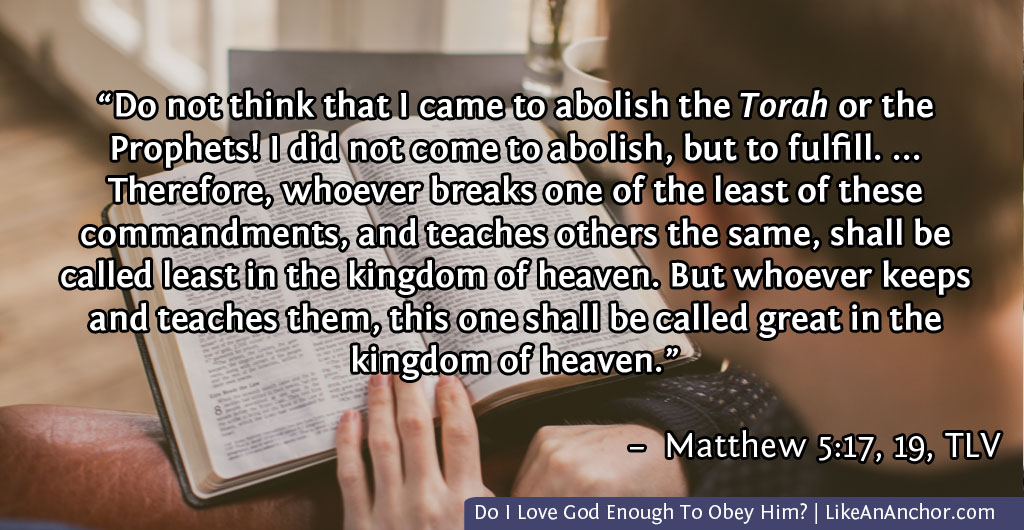
Really knowing Jesus goes beyond saying we believe in Him. It includes letting that belief change the way we live. We demonstrate how much we respect and care about Him by living according to His commandments. And since John points out that Jesus is also the Word — one of two God-beings who’ve been here for eternity — that includes the commands He gave in the Old Testament as well as the New. Jesus stated in no uncertain terms that He wasn’t here to get rid of everything He’d taught before as the Word, but rather to elevate those commands to an even higher level under a New Covenant (Matt. 5:17-48).
Knowing and Commandment Keeping
John further explores the topic of knowing Jesus in his first epistle. He begins, much as he did in writing his version of the gospel, with Jesus’ eternal existence as the Word of life. Then he shares that “God is light, and in him is no darkness at all,” which means we have to walk in light in order to fellowship with God (1 John 1:1-2:2).
This is how we know that we know him: if we keep his commandments. One who says, “I know him,” and doesn’t keep his commandments, is a liar, and the truth isn’t in him. But God’s love has most certainly been perfected in whoever keeps his word. This is how we know that we are in him: he who says he remains in him ought himself also to walk just like he walked. (1 John 2:3-6, WEB)
As this letter continues, John keeps coming back to themes of love, law, sin, and relationship with God. 1 John is one of those Bible books that it’s good to read in one setting (it’s not that long) to get a better feel for the points the writer is making in-context. As you read through it, one thing he continues to repeat is that we can’t have a relationship with God if we insist on breaking His commandments.
Choosing Righteousness as God’s Children
Whoever remains in him doesn’t sin. Whoever sins hasn’t seen him and doesn’t know him. Little children, let no one lead you astray. He who does righteousness is righteous, even as he is righteous. (1 John 2:1-2, WEB)
If we go back toward the beginning of the letter, we see John has already clarified that the children of God don’t practice sin, but if we slip up we can still repent and Jesus will restore our relationship with God (1 John 2:1-2). He’s not saying a Christian who sins is automatically disqualified for salvation. But he is saying that salvation comes with the expectation from God that we’ll respond to His work in us by starting to live lives modeled after His righteous standards.
We declare by our choices whether we are children of God, who practice righteousness, or children of the devil, who practice lawlessness (1 John 3:8-10). Again and again John emphasizes that children of God keep God’s law, chiefly the two laws that Jesus and Paul identified as the most important — love God and love others (Matt. 22:36-40; Rom. 13:9-10). All other commands hinge on those two. God is love and we need to love as He does, in deed and in truth (1 John 3:11-24; 4:7-21). That’s just how we do things in the family of God.
How I Love Thy Law
As John wraps-up this letter, he ties what he’s written about loving and knowing God together with what he wrote about loving our brethren. He also addresses a common complaint about how “hard” it is to obey God.
By this we know that we love the children of God, when we love God and keep his commandments. For this is loving God, that we keep his commandments. His commandments are not grievous. (1 John 5:2-3, WEB)
Many people think of commandment keeping as something burdensome, but John tells us that’s far from true. Living within God’s law yields blessings, not hardship. Our attitude toward God’s law should be like that expressed in Psalm 119. This psalmist is in love with the law because it belongs to the God whom he loves. God’s laws are an expression of His character. If we want to be like the Lawgiver and receive the blessings that come from walking with Him, then we’ll respect His word.
Psalm 119 speaks of God’s law as a source of delight, strength, liberty, hope, comfort, life, wisdom, righteousness, peace, and much more. How we keep God’s law is different now — elevated to a spiritual level in the New Covenant — but it still matters (this is largely what Romans is about). God cares about the relationship we have to His words and whether or not we love Him enough to do what He tells us to do. Which brings us to the question of today’s title, “Do I love God enough to obey Him?”
It’s easy to say we love God but it’s harder to follow-through on the things that prove our love is genuine. If we truly love Him, though, obeying His word shouldn’t be a problem for us. It’ll still be a struggle at times to submit our own will to that of our sovereign God, but it’s something worth doing. The blessings of knowing God far outweigh any aspects of obedience that we might find inconvenient. And when we love God and follow His words, continuing to turn back to Him if/when we make mistakes, then we’ll have the assurance that we know Him and are known by Him as well.








 Like An Anchor