One of the most common stereotypes around Myers-Briggs® types as they relate to the world of fiction is that most villains are NT types. Not all of course (I even have a whole post about the comparatively rare NF-type villains), but it does seem that an unusually large percentage of bad guys in fiction have an NT personality type. Specifically, we see the INTJ “Mastermind” filling the ranks of villains probably more often than any other type. ENTJs might come close, but they’re less often stereotyped as the villain. Maybe they just have better PR teams.
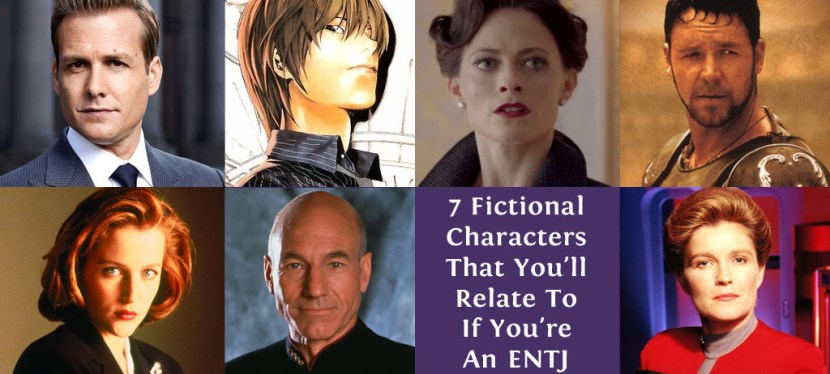
Magneto, Voldemort, Moriarty, Hannibal Lechter, Tywin Lannister, Emperor Palpatine, Rumplestiltskin, The Master, Saruman, Light Yagami, Lex Luthor, Scar, Maleficent, Jaffar — they’re all iconic villains from fiction who are typically typed as INTJs or ENTJs. When taken to a villainous extreme, these clever, calculating personality types can be absolutely terrifying. I even included one villain on each of my lists 7 Fictional Characters You’ll Relate To If You’re An INTJ and 7 Fictional Characters You’ll Relate To If You’re An ENTJ because they villainous versions of these types are such an integral part of fiction.
Casting these types as villains makes for some of the most calculating, clever, and creepy antagonists in fiction. But what (if anything) does it tell us about real-life INTJs and ENTJs? Are they secretly as evil as their fictional counterparts? Or do we stereotype these personalities as “evil” because we simply don’t understand them?
Every person has the potential to use their talents and gifts for good or evil; to choose the light or the dark. This holds true for INTJs and ENTJs, and we do them a great disservice if we assume they’re evil or treat them as the villain without getting to know them as they truly are.
There some great posts out there (like this one from Introvert, Dear) combating the whole “INTJs are villains” thing. Today, though, I want to take some of those villainous stereotypes and see if we can use them to learn something about the real-life INTJs and ENTJs in our lives. Read more


 Like An Anchor