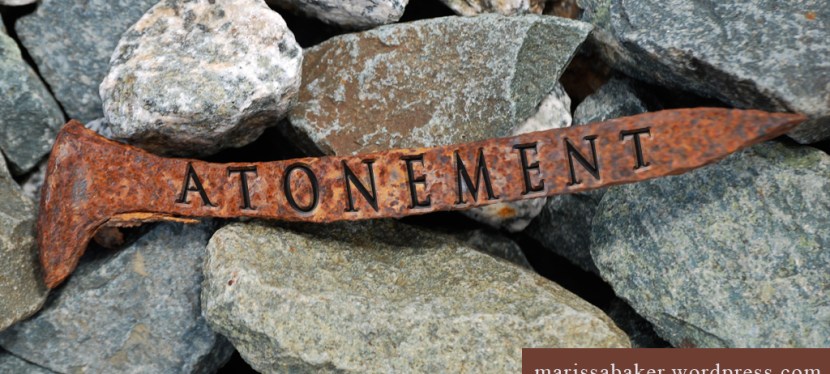
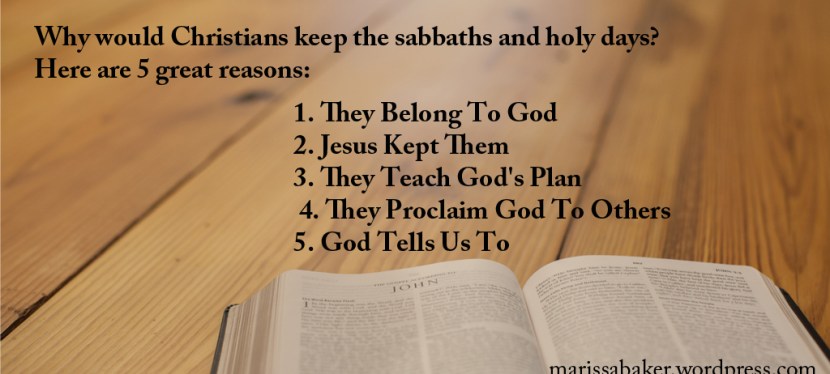
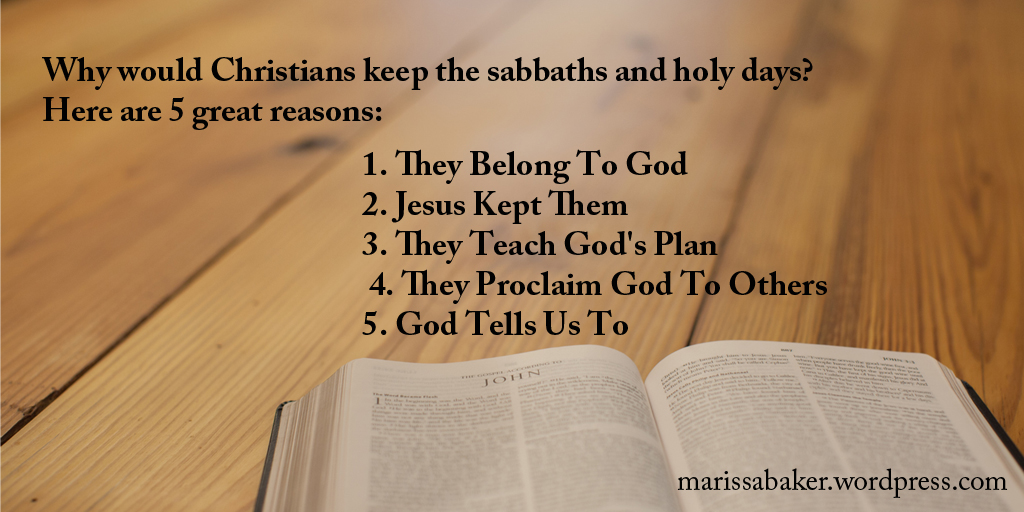
A blessed Yom Kippur/Day of Atonement to you all. Earlier this month, I subscribed to Bible Gateway’s newsletter Holy Land Moments with Rabbi Yechiel Eckstein. It’s described as a way to learn about the Jewish background of Scripture by exploring the High Holy Days.
I’m finding it fascinating. I grew up keeping these Holy Days, but not always with much understanding of the Jewish perspective on them. While some of the Jewish tradition doesn’t relate to Christian observance of these days, they often teach a perspective that deepens my understanding. Take the Days of Awe for example. Using the 10 days between Trumpets and Atonement for self-reflection and repentance deepens the meaning of and my engagement with this holy time. And sometimes, the Jewish perspective sparks a thought about how my Christian perspective differs, such as today’s comment in the Holy Land Moments newsletter:
The central part of the Yom Kippur service is missing today. Chapter 16 of Leviticus is dedicated to the description and instructions for the Yom Kippur service that was performed when the Tabernacle and later the Temples stood. Today, we no longer have a high priest, nor do we participate in ritual sacrifices. So how do we achieve atonement?
Those who believe Messiah has come have a different answer to this question than those who don’t. Rabbi Eckstein writes,”There are three keys that take the place of the service performed in biblical times” and they “can undo our wrongdoings and change things for the better.” These things are “repentance, prayer, and charity.”

While those things are important, I thank God through Jesus Christ my Lord that I’m not trying to atone for myself. There’s no way I could ever do enough or be good enough to undo my own sins. Today, we do have a High Priest and He has filled the ritual sacrifices with His perfect sacrifice (Heb. 7:23-28). The “central part” of Yom Kippur isn’t missing for Christians who keep this Holy Day — it’s more real than ever. Read more






 Like An Anchor